




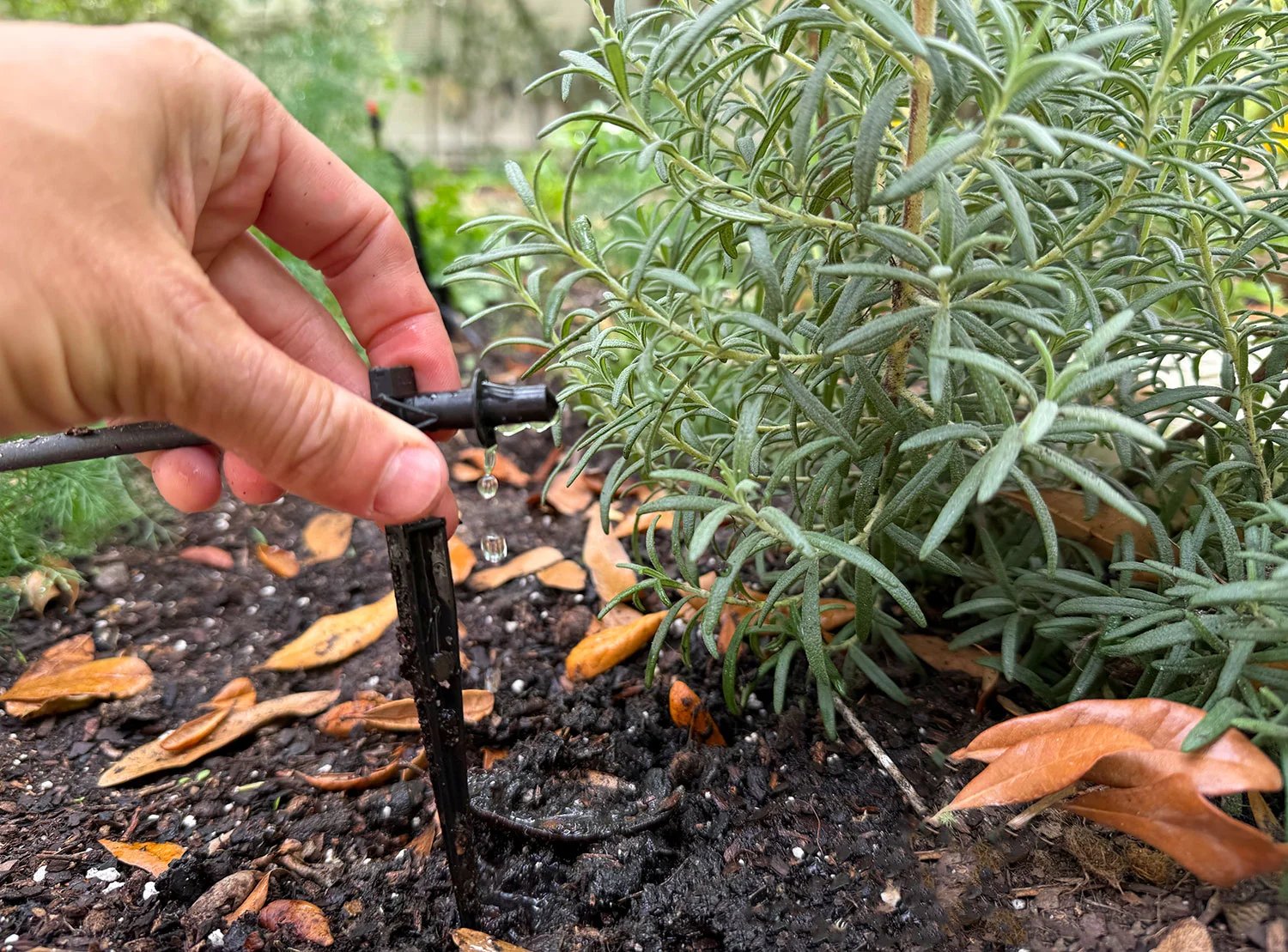
The Ultimate Guide to Drip Irrigation: Easy Installation for Garden Efficiency
Introduction to Drip Irrigation
Drip irrigation is an innovative method for efficiently watering gardens, flower beds, and landscapes. Unlike traditional sprinkler systems that can waste water through overspray and evaporation, drip irrigation delivers water directly to the soil at the base of each plant, ensuring efficient moisture absorption. This system can utilize up to 50% less water, making it not only eco-friendly but also economical.
Why Choose Drip Irrigation?
- Reduced Water Waste: Drip irrigation minimizes evaporation and runoff, making better use of water resources.
- Enhanced Efficiency: This targeted system delivers water directly to the plant’s root zone, resulting in optimal hydration.
- Customizable Solutions: From flexible hoses to various emitters, the system can be tailored to meet the needs of different plant species.
- Simple Installation: Drip irrigation systems can be easily installed with no special tools or plumbing experience required. Most setups can be completed in just a few hours.
- Cost-effective: A complete drip irrigation kit usually costs around $55, making it an affordable option for gardening enthusiasts.
Understanding Drip Irrigation Components
Drip irrigation systems consist of several key components that work together to provide efficient watering:
1. Hose Bib Connectors:
These connectors allow the drip irrigation system to be attached to any standard outdoor spigot. Essential components include:
- Timer: Automates watering schedules.
- Backflow Preventer: Ensures water does not flow back into the municipal water supply.
- Filter: Keeps debris from clogging the system.
- Pressure Regulator: Stabilizes water pressure for the drip irrigation system.
2. Main Line:
This is the primary tubing that transports water from the hose bib to the various areas of your garden. Typically 1/2” tubing is used, which can easily be cut and connected using barbed connectors.
3. Driplines:
From the main line, smaller 1/4” tubing (or driplines) distributes water to individual plants. These can be customized in length based on the distance to each plant.
4. Emitters:
Emitters are the devices that control how much water is delivered to each plant. Types of emitters include:
- Drippers: Provide a slow, steady drip.
- Sprayers: Offer a broader spray of water.
- Bubblers: Deliver multiple streams of water in a small area.
Installation Steps for Your Drip Irrigation System
Installing a drip irrigation system can be a straightforward process. Follow these steps for a successful setup:
Step 1: Plan Your Layout
Map out where your water source is, the zones you want to water, and any obstacles like walkways.
Step 2: Gather Supplies
A basic drip irrigation kit and a hose timer are generally all you need. Consider any additional components based on your garden’s size and layout.
Step 3: Prepare Your Tubes
Soak your tubing in the sun for about an hour. Heat makes the tubing more pliable, making connections easier.
Step 4: Attach Timers and Connectors
Connect your timer, backflow preventer, and pressure regulator to the hose spigot before attaching the main line.
Step 5: Run the Main Line
Install the main line tubing throughout your garden, using connectors as needed to navigate corners and turns.
Step 6: Connect Driplines and Emitters
Branch off from the main line to connect the smaller drip lines using barbed connectors. Insert the appropriate emitters for each plant type.
Step 7: Test the System
Turn on the water to check for leaks and confirm that all emitters are working properly. Adjust placement and spray patterns as needed.
Step 8: Mulch (Optional)
Consider adding a layer of mulch to conceal your tubing and protect it from potential damage.
Maintenance and Adjustments
Regular checks on your drip irrigation system will ensure continued efficiency. Monitor for leaks, adjust emitter placements, and clean filters as needed to prevent clogging.
Conclusion
A drip irrigation system is a fantastic investment for any gardener looking to save water and time. By following these simple steps, you can create an efficient and customized watering solution for your plants. This eco-friendly method will not only keep your garden thriving but also contribute to sustainable gardening practices.
Additional Resources
For more information on drip irrigation and to enhance your gardening techniques, visit:
By leveraging these drip irrigation tips, you’ll ensure your garden delivers optimum results without excessive water usage and effort. Start your journey toward a more sustainable garden today!


