




The Ultimate Guide to Propagating Succulents: Tips and Techniques
Succulents have become a favorite among plant enthusiasts, and one of the most rewarding aspects of caring for these hardy plants is the ability to propagate them. This guide will walk you through effective methods to transform a single succulent into many, making it ideal for expanding your collection or gifting to friends.
What Is Plant Propagation?
Propagation refers to the process of creating new plants from parts of existing ones, including leaves, stems, roots, or seeds. While various houseplants can be propagated, succulents stand out due to their adaptability. Common methods include:
- Water Propagation: Observing roots grow in water before transferring to soil.
- Soil Propagation: Directly planting cuttings in soil.
- Air Propagation: Allowing parts to tray roots in the air before replanting.
Each method offers its unique charm and results, and once the cuttings develop healthy roots, they can be potted and cared for just like their parent plant.
When to Propagate Succulents
The best time to propagate succulents is during their active growing season—spring and summer. Although propagation can be done throughout the year, expect slower results in fall and winter. A well-timed pruning can even prompt successful propagation, especially if the parent plant has grown leggy.
Methods to Propagate Succulents
There are multiple ways to propagate succulents, each making it easy to multiply your plants effectively:
-
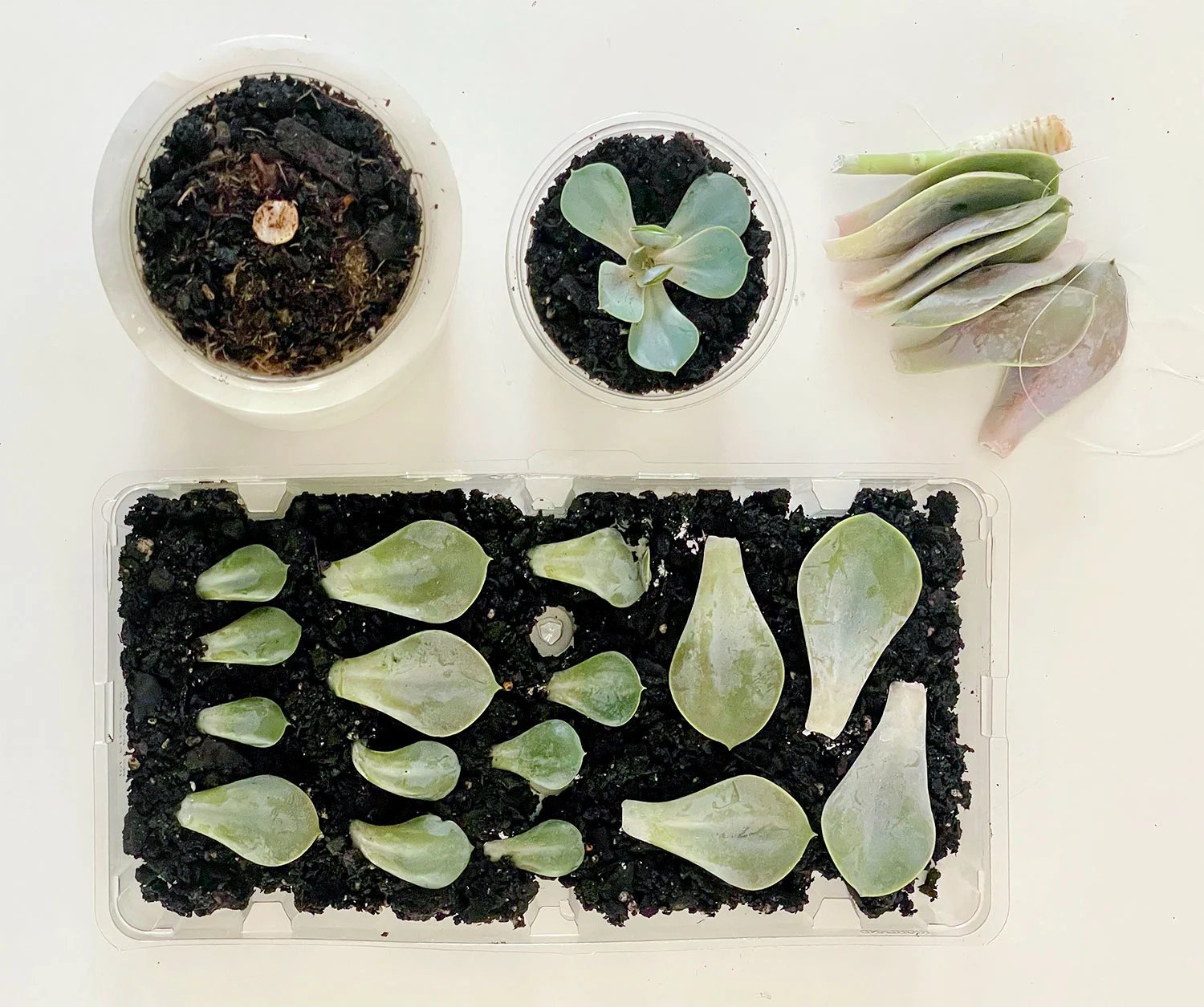
Leaf Propagation: Detach individual leaves and set them on soil, water, or air to grow roots and pups.
-
Stem Propagation: Cut a bare stem and place it in air, soil, or water to grow new pups where old leaves were.
-
Soil Propagation: Lay leaves or stems directly on well-draining soil for new root development.
-
Water Propagation: Submerge the tips of leaves or stems in water until roots develop, followed by transitioning to soil.
-
Dry or Air Propagation: Allow detached leaves or stems to dry out completely before planting them in soil and waiting for roots to form.
Step-by-Step Guide to Succulent Propagation
1. Gather Your Supplies
Before starting, gather essential supplies like a sharp pair of scissors or snips, potting soil, a pot or a propagation tray, and a spray bottle for watering.
2. Water Your Parent Succulent
Water your succulent a few days prior to cutting. This ensures the plant has adequate moisture and nutrients stored in its leaves.
3. Cut the Stem at Soil Line
Using clean scissors, cut the stem at the soil line. Ensure that you use sanitized tools to prevent damaging the plant.
4. Remove Bottom Leaves
Trim any lower leaves from the stem, leaving a rosette at the top. This part will eventually grow into a new plant.
5. Let Pieces Callous
Leave the cuttings out for 3–5 days to allow the ends to callous over; this prevents excessive moisture absorption.
6. Replant Your Stem
Place the bare stem into a pot with well-draining soil. You can enhance growth by using rooting hormone, although it’s optional. Ensure the stem is snugly planted in the soil.
7. Lay, Hang, or Plant the Leaves
For each leaf, you can either:
- Plant in Soil: Insert calloused ends into damp soil.
- Lay on Soil: Place leaves flat on the soil surface for rooting.
- Air-Dry: String leaves together for a fun decorative method.
8. Provide Indirect Sunlight
Position your propagated plants in a bright area that receives indirect sunlight. Avoid harsh direct light that can scorch the leaves.
9. Keep Everything Lightly Watered
During propagation, keep the soil lightly moist. Misting works well for leaves in soil, while air-propagated cuttings should be occasionally dampened.
10. Pot Rooted Plants
After several weeks, look for signs of growth such as roots or new pups. Once these are established, transfer them into Individual pots for further growth.
Optimal Propagation Methods
Each propagation method has its advantages:
- Stem Cuttings: Tend to grow the fastest and result in robust new plants.
- Leaves in Soil: Generally yield more pups but can be leggy.
- Air Drying: Aesthetically pleasing but may produce fewer pups.
Conclusion
Propagating succulents is a straightforward and gratifying experience that can lead to a flourishing collection of these charming plants. Whether through stem cuttings, leaf propagation, or using water, you can explore various techniques to see what works best for you. Remember that growing succulent plants may take time, but the rewards of new greenery can be well worth the wait.
For additional gardening tips and techniques, check out external resources such as The Spruce to enhance your green thumb skills.


