




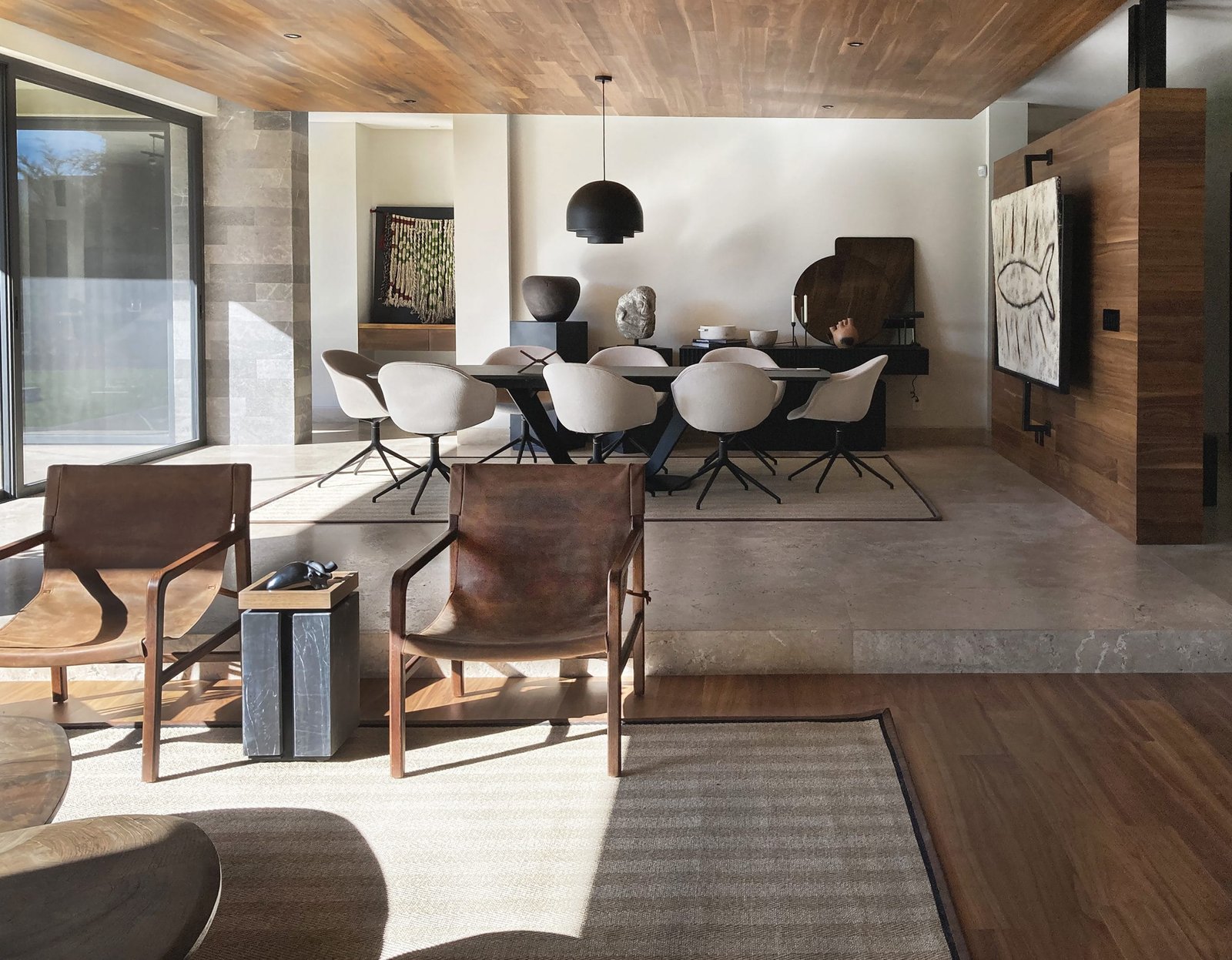
In modern home design, the transition from completely open floor plans to segmented layouts has led to a rise in popularity for broken floor plans. This innovative approach addresses the often impersonal nature of open layouts, introducing architectural features that define spaces while maintaining an airy aesthetic. Discover how to create a functional and stylish broken floor plan and its key benefits.
Understanding the Concept of a Broken Floor Plan
A broken floor plan represents a hybrid between entirely open layouts and traditional closed-off rooms. It utilizes various architectural elements—such as half-walls, arches, ceiling shifts, and material transitions—to create distinct zones within a fluid space while preserving sightlines. This design style has gained recognition not only in contemporary settings but also in historical architecture, making it adaptable to various home styles.
Advantages of Broken Floor Plans
Introducing a broken floor plan comes with various advantages:
- Acoustic Control: Partial walls effectively reduce sound transfer between zones, allowing for activities like cooking while maintaining a quiet work area.
- Furniture Anchoring: Defined spaces provide clarity for arranging furniture, promoting cohesive layouts across zones.
- Natural Light Distribution: Glazed partitions ensure that daylight reaches deeper areas of the space without interruption.
- Climate Efficiency: Smaller, segmented volumes adjust quicker to heating and cooling, enhancing energy efficiency.
- Visual Containment: Each zone can keep its clutter concealed, enhancing overall organization.
- Long-Term Flexibility: As household needs evolve, broken-plan spaces can be adapted with minimal structural changes.
Popular Strategies for Implementing Broken Floor Plans

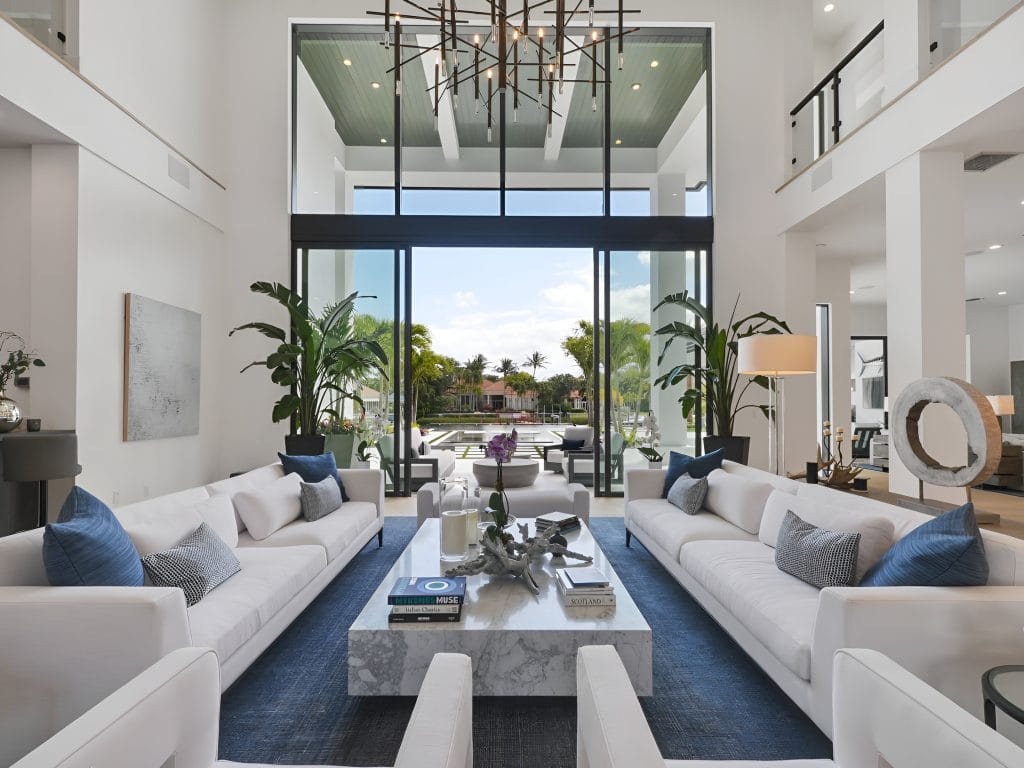
Here are several effective strategies to create a broken floor plan that works for you:
1. The Spine Wall
A partial wall can seamlessly create spaces by dividing them into distinct functional zones, such as living and dining areas, with open access at both ends.
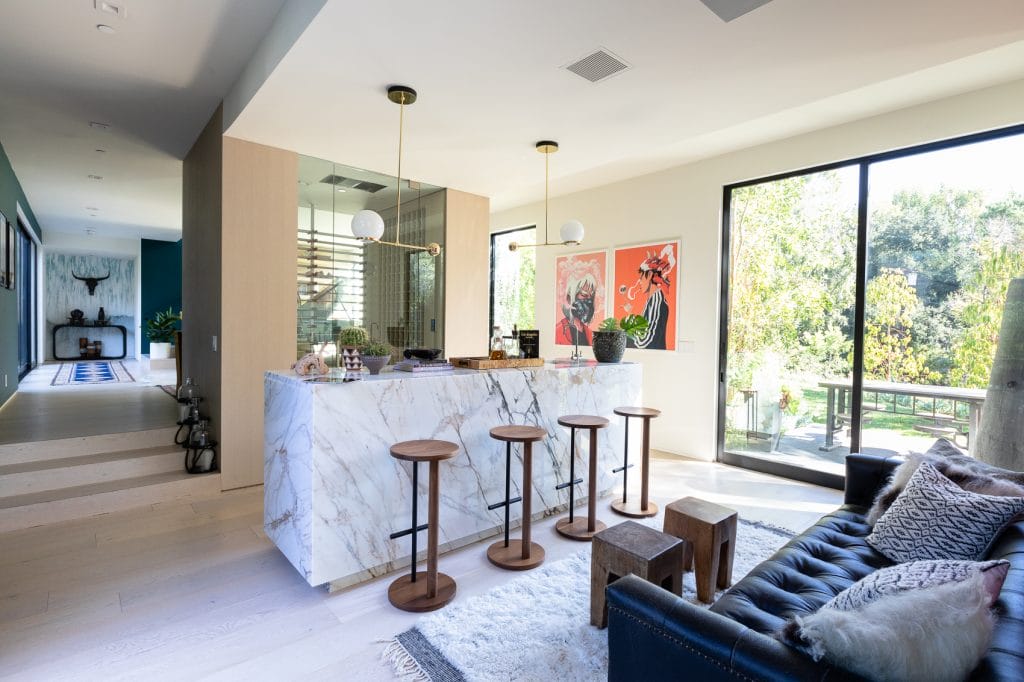
2. Stepped Floor Zones
Incorporating slight level changes introduces physical demarcation without vertical barriers, allowing for varying activities while maintaining an open feel.

3. Ceiling-Plane Mapping
Changing the ceiling height can delineate zones overhead, enhancing the spatial narrative while retaining openness.
4. Double-Sided Hearth as a Spatial Center
A two-sided fireplace serves as a central feature that divides spaces while promoting interaction and coziness.
5. Color-Coding for Clarity
Utilizing varying paint colors can define space effectively without structural changes, perfect for renters or smaller homes.
6. Arched Openings
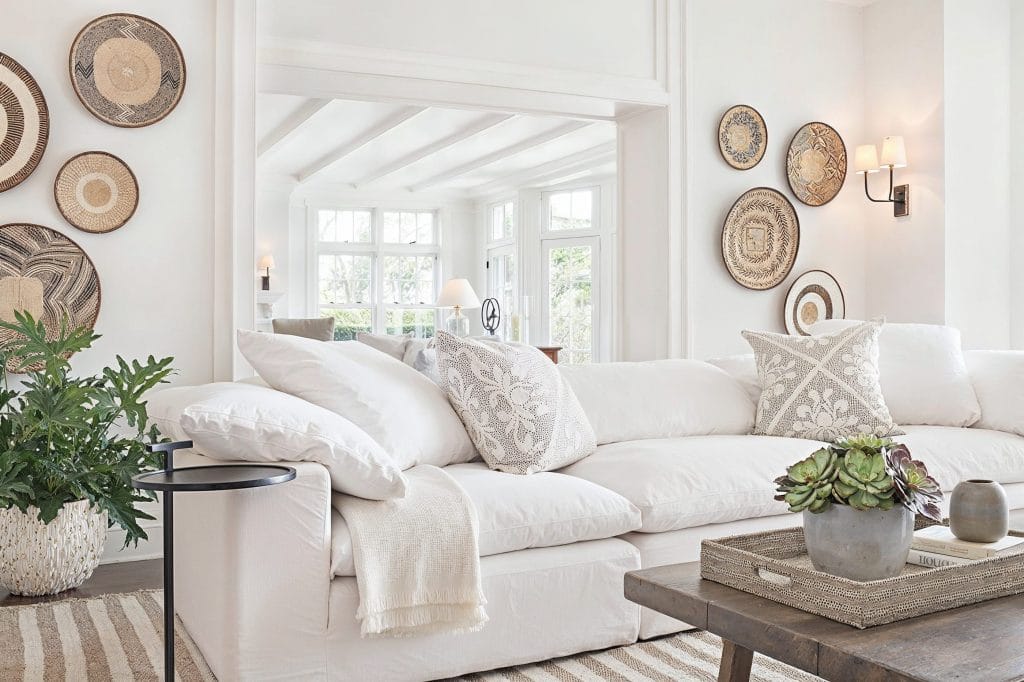
Implementing arches or widened openings can create transitions between rooms without losing the visual integrity of the space.
7. Vertical Slats for Balance
Using vertical screens can subtly filter light and sightlines, creating calmer transitions between spaces.
8. Pivoting Screen Systems
Pivoting panels allow for dynamic interactions within the space, giving flexibility in how rooms are used throughout the day.
FAQs About Broken Floor Plans
Is a broken floor plan the same as an open floor plan?
Not quite. Open floor plans have no boundaries, while broken floor plans maintain some separation without completely closing off the spaces, offering the benefits of openness with defined functionality.
What design elements should I consider for smaller spaces?
Color transitions and half-walls are ideal for small areas. More extensive structural elements like spine walls are usually better suited for larger homes.
How do I determine the best approach for my home?
Factors like ceiling height, light availability, and structural possibilities will indicate which strategies are most suitable. Consulting a designer can provide tailored insights for your specific architecture.
Ready to Redesign Your Space?
If you’re looking to implement a broken floor plan, consider connecting with a professional designer who understands the intricacies of this approach. Get started by booking a free online interior design consultation today!


