




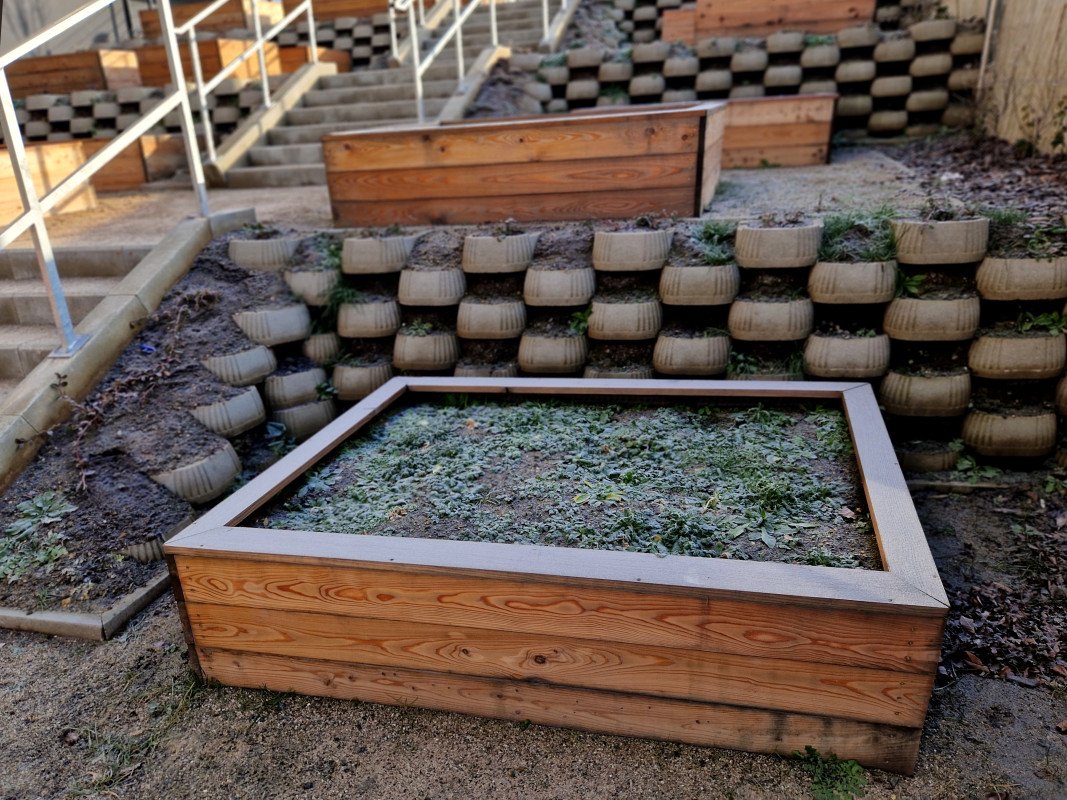
While winter might not seem like the best time to tend to a garden, there are quite a few important tasks to accomplish in winter if you want to enjoy a healthy garden next spring. The colder months generally set the foundation for how your garden will fare throughout the year. So, you’ll want to get out there on mild, dry days when the soil isn’t soggy or frozen so you can get the most done without it hurting both you and the garden.
“While weather conditions vary based on your individual grow zone, I generally recommend gardeners work on mild, sunny days between 10 a.m. and 3 P.M,” says Rebecca Sears, chief marketing officer and Resident Green Thumb at Ferry-Morse. “This is the point in the day when the temperature is typically warm enough to melt frost and the soil isn’t compacted, helping you make the most of the shorter winter days.”
With that in mind, we spoke with gardening and landscaping experts about some winter gardening tasks you can do now to help prepare for a successful spring garden.
Spoiler alert: they’re all actually pretty easy if you know what to do.
1. Prepare the Soil
It’s important to give your soil a refresh in the winter so your seeds have a strong foundation, especially as we head into the cooler months.
“Start by testing your soil’s pH, which should be between 6.0 and 7.0 for most plants,” Sears says. “If you need to make adjustments to your soil, add lime to raise the pH and sulfur to lower the pH. Once your soil has been amended, you can enrich it with a layer of organic compost to protect the soil from erosion, suppress weeds and load it up with nutrients for the spring.”
Additionally, Sarah McDonnell Slight, gardener and owner of McDonnell Nursery, adds that if the ground is too cold to dig, simply add compost or manure to the top of the soil, and winter rains will allow it to soak in and improve the soil for future planting.
2. Add Mulch to Your Garden
Use the winter as a time to add more mulch to your garden. According to Lauren Palm, a Southern California–based landscape designer and founder of Native State, adding a fresh layer of natural mulch helps insulate roots, retain moisture and suppress weeds through winter. “Choose organic materials like shredded bark, leaves or straw for the best results,” Palm says. “Never use dyed or synthetic mulch as it can leach chemicals into your garden soil.”
3. Clean Garden Beds
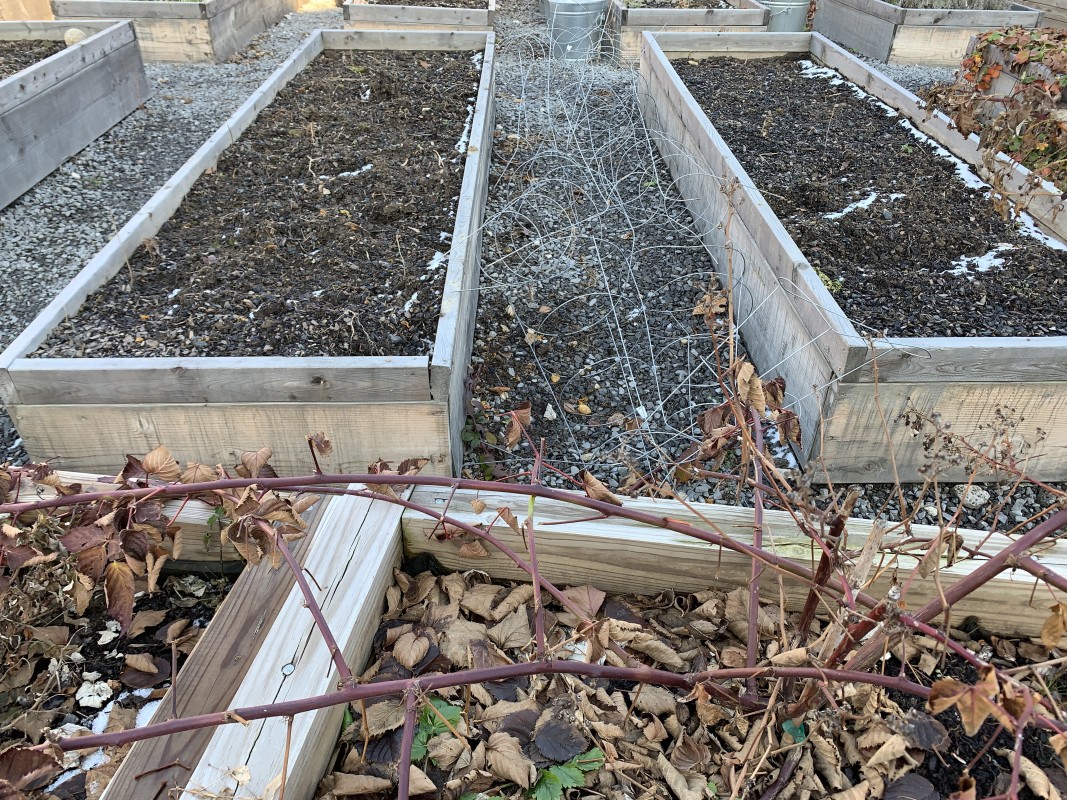

Cleaning your your garden beds after months of tending to your plants can help set the stage for a fresh start come spring. “Simple tasks like removing annuals that have finished their season, pulling weeds, and removing diseased, dead, or collapsing perennials can give your garden the proper send-off as we transition to winter,” Sears says.
4. Repair Your Garden Tools
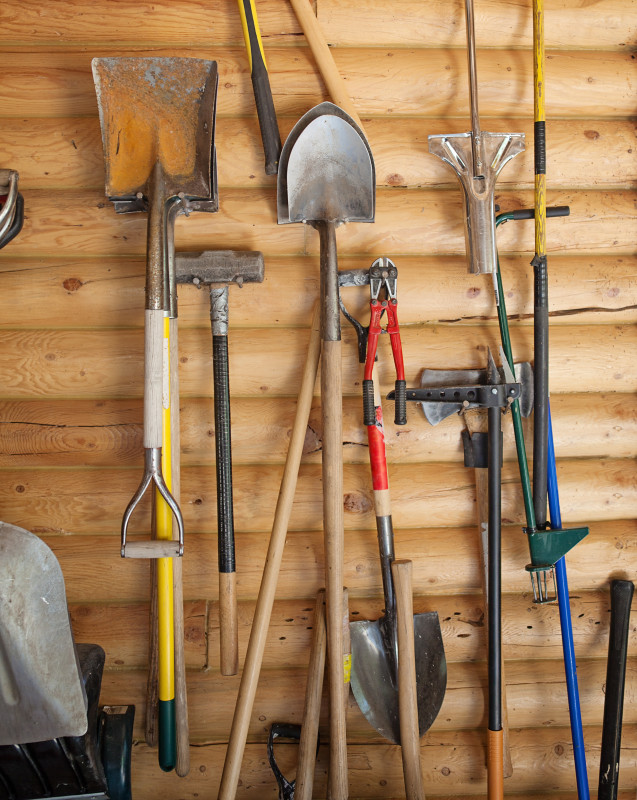

After nearly a year of use, your gardening tools might need a refresh or even a complete overhaul. “A quick clean, oil and sharpen session extends their lifespan and makes garden work smoother when the season begins,” Palm tells DenGarden.
Similarly, Sears recommends draining your hoses and irrigation systems completely as well as this can prevent cracking or damage from freezing temperatures so you’re not left with a big mess to fix in the spring.
5. Sow Flower Seeds
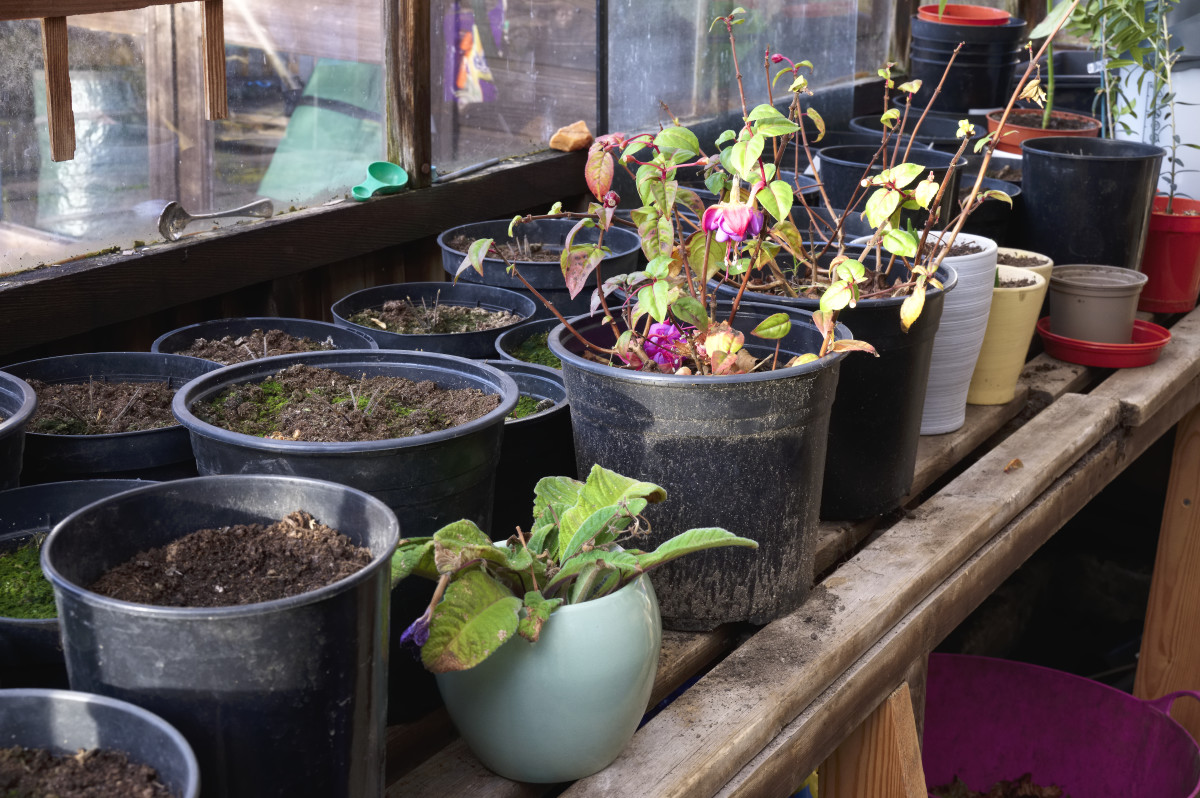

Lucie Bradley, an expert gardener at Easy Garden Irrigation, suggests getting a head start on spring by sowing a range of hardy annuals in November that require a period of cold ‘stratification’ in order to germinate, including calendula, cornflowers, larkspur, nigella, poppies, snapdragons, sweet peas etc. “By sowing in the winter you should get stronger, healthier plants and earlier blooms in spring,” Bradley explains.
6. Plant Cold-Hardy Vegetables
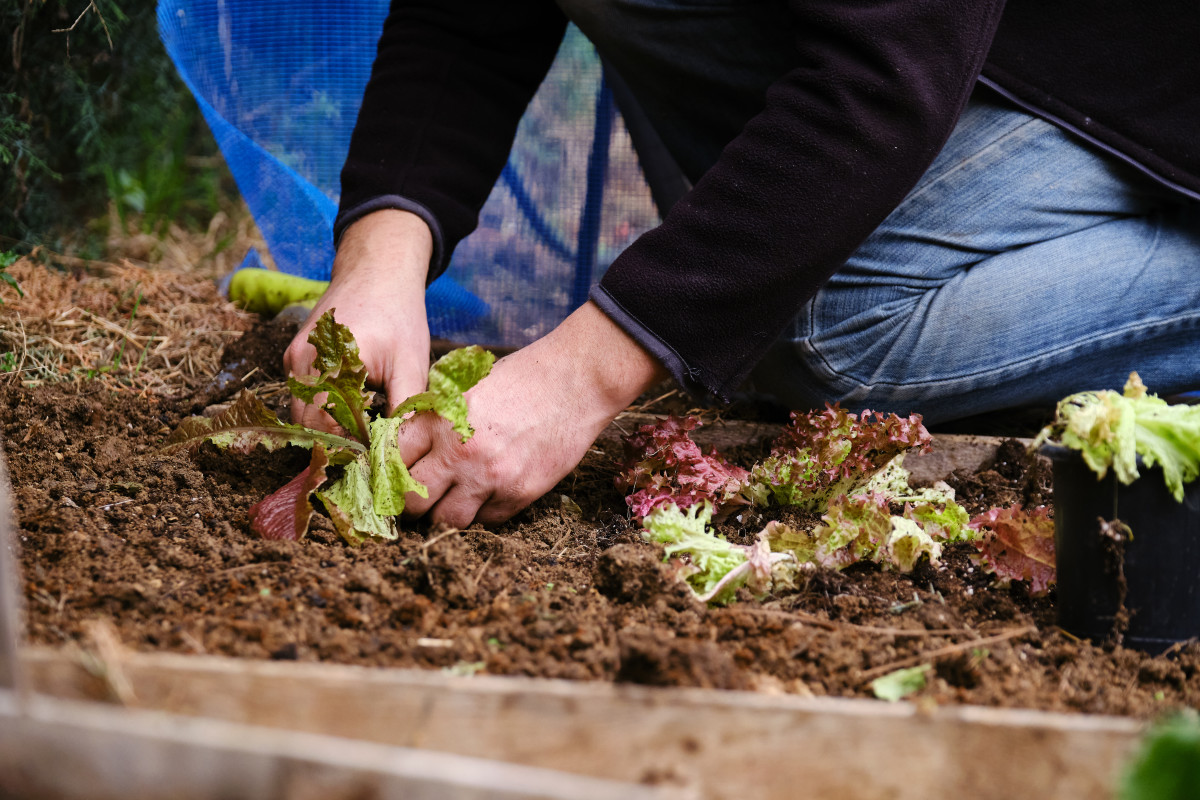

If you use your garden to grow vegetables and fruits, then you’ll want to use the winter months to grow cold-hardy vegetables such as kale, lettuce, peas and radish. “You need to be aware that with less food sources in the cold months, your freshly sown seeds, especially peas or beans, will be attractive to mice to nibble on so be prepared to use cloches, fine mesh or natural deterrents such as cayenne pepper or crushed garlic,” Bradley says.
7. Start a Compost Pile
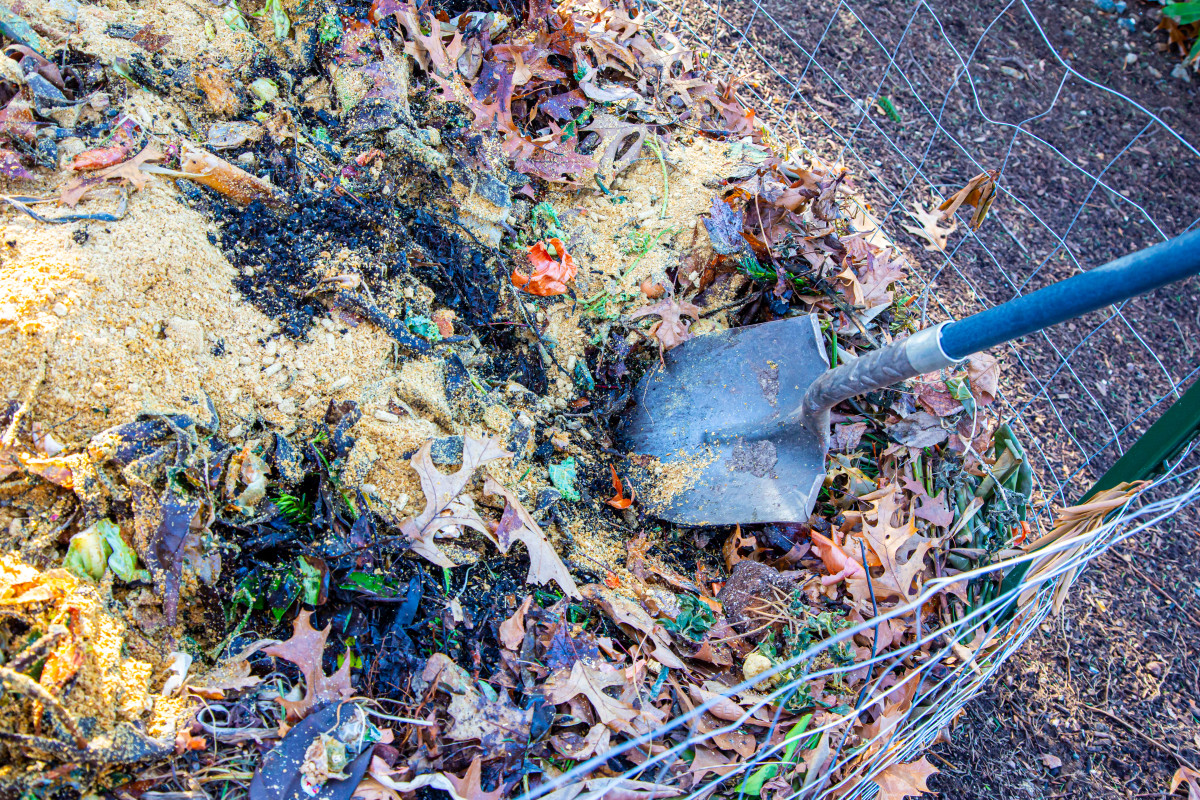
It’s never too early to start a compost pile to give your garden a boost in the spring. “Collect fallen leaves, kitchen scraps, and garden debris to build nutrient-rich compost,” Palm says. “By spring, you’ll have organic matter ready to feed your soil naturally. Plus, it’s fun and sustainable.”
8. Deeply Water Plants


You probably know all about the importance of watering plants in the summer, but regular watering is also crucial during the winter. “Deeply water ahead of a first freeze as well-hydrated soil holds heat and reduces frost penetration to roots, preventing winter desiccation damage,” says Marc Mayer, director of technical operations at South, TruGreen. “You’ll want to water the day before a forecasted freeze (when temps are still above 40°F), and continue occasionally watering during warmer, dry weeks.”
Winter gardening is less intense than summer gardening, for sure, but don’t neglect your garden completely during the colder months. Regular garden maintenance during the colder months will make a big difference to the health of your garden year-round.
Related: 10 Things to Plant in November for a Beautiful Spring Garden

