


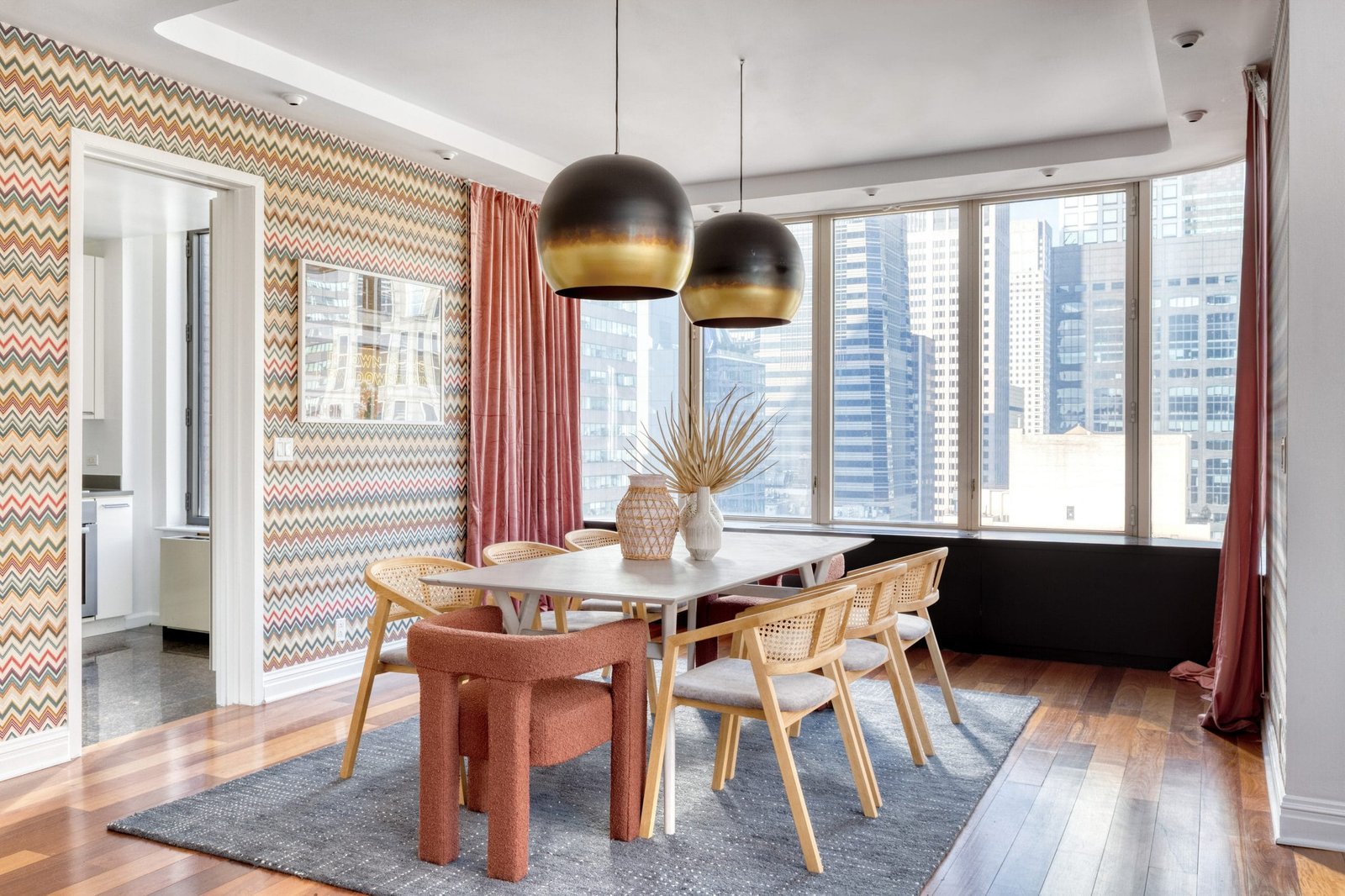
Understanding Colorful Minimalism in Interior Design
Colorful minimalism is rapidly gaining traction in contemporary interior design. Instead of the typical neutral palettes, this style combines bold colors with clean lines, creating vibrant yet uncluttered spaces. Discover how to infuse your space with this lively approach!
What Is Colorful Minimalism?
Colorful minimalism goes beyond traditional minimalism’s neutral shades, allowing bold colors to shine without overwhelming the space. This aesthetic is defined by precise restraint, ensuring that fewer objects coexist harmoniously. When fewer items compete for your attention, color naturally emerges as the focal point, whether in a statement piece of artwork or a vibrant chair accentuating a neutral room.
How to Achieve Colorful Minimalism
Here are some key strategies to master colorful minimalism in your home:
1. Start with a Neutral Base
A solid foundation of neutral tones is vital. Consider soft whites, beige, or light grays for walls and larger furniture pieces. This subtle backdrop makes the bold colors stand out beautifully. Imagine a cream sofa adorned with mustard or coral throw pillows to instantly breathe life into the space.
2. Build a Bold Color Palette
Select one or two strong colors to accentuate your minimalist space. Use these hues in various accessories—such as cushions, art, or rugs—while ensuring they complement each other. For example, in a calm bedroom, the use of layered tones in one color scheme can create a cohesive yet visually engaging environment.
3. Embrace Simple Shapes and Clean Lines
Keeping furniture and decorative items simple enhances the visual clarity of colorful designs. Look for streamlined shapes and straightforward designs, allowing color to become the centerpiece. In a living room, for instance, a bold artwork can stand proudly above a minimalist sofa without distractions.
4. Play with Contrast
Utilizing contrast adds depth and dynamics to your design. Consider juxtaposing cool and warm colors, like a navy sofa paired with a striking mustard chair. This technique avoids monotony and creates visual interest while maintaining the tranquil essence of minimalism.
5. Limit Your Color Focus
Avoid mixing too many vibrant shades; instead, hone in on one primary color and introduce subtle variations. An environment focused on a cohesive color story, like olive and sage tones in a serene bedroom, promotes harmony and sophistication.
6. Incorporate Natural Materials
Natural materials, such as wood, stone, or woven fabrics, introduce warmth to colorful spaces. They soften harsh lines and create a tranquil atmosphere, linking bold details to the calmness of minimalism. For example, pairing a wooden side table with bright cushions can ground the room beautifully.
Frequently Asked Questions
Can colorful minimalism work in small spaces?
Absolutely! Small areas benefit from fewer items and bold accents, creating an open and inviting atmosphere.
What colors work best in colorful minimalism?
Deep blue, terracotta, and emerald green are popular choices. Ultimately, the limited palette of one or two colors is crucial for effectiveness.
How do I create a colorful minimalist living room?
Begin with neutral seating and elegant furniture, then introduce one striking color through accessories. Keep other elements subdued to let the color shine.
Is colorful minimalism suitable for bedrooms?
Yes! Soft textures and one bold hue can cultivate a restful yet vibrant sanctuary.
Transform Your Space with Colorful Minimalism
Incorporating colorful minimalism into your home design offers a refreshing balance between bold expression and serene simplicity. Take the first step by exploring how this style can revolutionize your interiors! For personalized guidance, consider booking a Free Online Interior Design Consultation.
