




Focus keyword: Benjamin Moore neutral paint colors
Meta title: 8 Best Benjamin Moore Neutral Paint Colors for Timeless, Calming Interiors
Meta description: Discover 8 designer-favorite Benjamin Moore neutral paint colors—Classic Gray, Pale Oak, Revere Pewter, Swiss Coffee, Dakota Woods Green, Simply White, Alexandria Beige, and Natural Cream—plus pairing tips, lighting advice, finishes, and SEO-friendly resources to help you choose the perfect neutral.
Slug suggestion: benjamin-moore-neutral-paint-colors
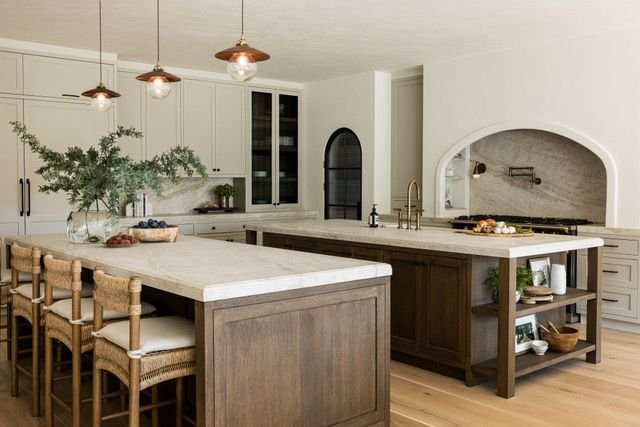
Alt-text suggestion for images: Swatches and room examples of Benjamin Moore neutral paint colors
H1 — 8 Best Benjamin Moore Neutral Paint Colors for Timeless, Calming Interiors
Intro
Benjamin Moore’s expansive color library makes it easy to find a neutral that feels calming and timeless. Designers repeatedly recommend a handful of go-to shades that read soft in natural light, pair well with a wide range of finishes, and support a room’s design without competing for attention. Below are eight standout Benjamin Moore neutral paint colors, what makes each one special, where to use them, and tips to choose the right neutral for your space.
H2 — Classic Gray
Description
Classic Gray is a soft, “not-white” white that sits between bright white and warm neutrals. It provides subtle contrast and depth without feeling stark or cold, making it ideal when you want an airy but lived-in look.
H3 — Best uses
– Living rooms, bedrooms, and trim where a gentle, versatile backdrop is needed.
H3 — Pairings and finishes
– Pairs well with warm woods, muted metals, and natural textiles.
– Try eggshell on walls for softness; semi-gloss on trim for crisp definition.
H2 — Pale Oak
Description
Pale Oak is a soft taupe that rarely reads too warm or too cool. Its chameleon-like quality allows it to adapt to different lighting and furnishings, offering a cozy sense of depth.
H3 — Best uses
– Open-plan living areas, kitchens, and neutral bedrooms.
H3 — Pairings and finishes
– Complements both brass and nickel hardware; pairs seamlessly with rich and soft palettes.
– Use matte or low-sheen finishes to emphasize texture and warmth.
H2 — Revere Pewter
Description
Revere Pewter is widely used for its balanced warmth and grounded gray-beige tone. It creates a timeless, layered backdrop that elevates spaces without overwhelming them.
H3 — Best uses
– Living rooms, bathrooms, and primary suites that need a warm neutral foundation.
H3 — Pairings and finishes
– Works well with natural stone, wood tones, and layered textiles.
– Eggshell or satin on walls keeps the color feeling rich but not heavy.
H2 — Swiss Coffee
Description
Swiss Coffee is a warm white that avoids yellow or beige extremes. It reads fresh and uplifting while retaining enough depth to feel comfortable and inviting.
H3 — Best uses
– Kitchens, trim, ceilings, and any area where a warm, versatile white is desired.
H3 — Pairings and finishes
– Pairs beautifully with bold accents or soft pastels.
– Use semi-gloss for cabinets and trim; eggshell for walls.
H2 — Dakota Woods Green
Description
Dakota Woods Green is a muted, earthy green that reads rich yet subtle. Greens like this stay classic when they lean toward natural, moody tones rather than trendy brightness.
H3 — Best uses
– Accent walls, study rooms, built-ins, or an entire cozy dining room.
H3 — Pairings and finishes
– Pairs with warm woods, leather, and aged metals for a grounded palette.
– Satin or eggshell finishes show depth while keeping a refined look.
H2 — Simply White
Description
Simply White is a clean, crisp white with minimal undertones, making it extremely versatile. Because white paints reveal undertones more clearly than pigmented colors, choosing a white with restrained bias is essential for a timeless result.
H3 — Best uses
– Ceilings, trim, modern and minimalist interiors, or any space requiring a bright neutral.
H3 — Pairings and finishes
– Works with every color palette; ideal as a baseline white for layered interiors.
– Use higher-sheen finishes on trim and cabinetry for contrast.
H2 — Alexandria Beige
Description
Alexandria Beige reads like stone and linen rather than a flat beige. It delivers warmth with structure and works beautifully against ivory, terracotta, and patinated brass.
H3 — Best uses
– Living rooms, entryways, and spaces where you want a composed warm neutral.
H3 — Pairings and finishes
– Pairs with aged oak, woven textures, and mohair upholstery.
– Matte or eggshell finishes emphasize the material quality of the room.
H2 — Natural Cream
Description
Natural Cream is an ultra-soft, cozy color that’s especially popular for cabinetry and farmhouse-inspired interiors. It enhances the “lived-in” warmth of wood and stone.
H3 — Best uses
– Kitchen cabinets, built-in millwork, and rooms that benefit from a soft, warm backdrop.
H3 — Pairings and finishes
– Combines beautifully with natural wood, stone, and plenty of daylight.
– Use satin or semi-gloss for cabinets to balance durability and sheen.
H2 — How to choose the right Benjamin Moore neutral paint color
H3 — Test swatches in your space
Always sample paint on large boards and view them at different times of day. Natural and artificial light dramatically change how undertones reveal themselves. For more guidance on selecting whites and neutrals, see This Old House’s guide to choosing white paint (https://www.thisoldhouse.com/painting/21017915/how-to-choose-white-paint).
H3 — Watch for undertones
Neutrals can skew warm, cool, or balanced. Place swatches near flooring, trim, and major furniture pieces to ensure undertones harmonize. Benjamin Moore’s color tools can help you preview hues online (https://www.benjaminmoore.com/en-us/color-overview/color-viewer).
H3 — Consider finish and function
High-traffic areas benefit from more durable sheens; low-sheen finishes hide texture and create a softer mood. Think through how sheen affects color perception.
H3 — Coordinate with materials and metals
Match neutrals to wood tones, stone, and metal finishes (brass, chrome, nickel). Some neutrals flatter warm metals, while others work better with cooler hardware.
H2 — Quick pairing ideas
– Classic Gray: warm oak floors + linen upholstery + matte black accents
– Pale Oak: nickel fixtures + woven rugs + terracotta accessories
– Revere Pewter: stone surfaces + layered neutrals + warm lighting
– Swiss Coffee: bright trim + color accents + natural fibers
– Dakota Woods Green: leather seating + brass accents + wood shelving
– Simply White: contemporary art + dark wood + crisp trim
– Alexandria Beige: patinated brass + terracotta + textured rugs
– Natural Cream: light wood cabinets + stone counters + warm brass
H2 — SEO and content tips for publishing
– Use the focus keyword “Benjamin Moore neutral paint colors” in the page title, first paragraph, at least one H2, and in the meta description.
– Add descriptive alt text to images (e.g., “Benjamin Moore Classic Gray living room”), and include color swatch images for each hue.
– Link to authoritative external resources such as Benjamin Moore’s official color pages (https://www.benjaminmoore.com), and editorial paint guides from trusted publishers (e.g., Architectural Digest: https://www.architecturaldigest.com) to boost topical relevance.
H2 — Frequently asked questions
Q: How many samples should I test?
A: Test 3–5 contenders on large boards in the room and observe them over a few days and lighting conditions.
Q: Which sheen is best for living rooms?
A: Eggshell or satin are common choices—enough durability for cleaning while keeping a soft look.
Q: Can I use the same neutral throughout the house?
A: Yes—using a single neutral creates flow. Just adjust finish and saturation for each function (e.g., brighter in kitchens, softer in bedrooms).
Conclusion
Choosing the right Benjamin Moore neutral paint color comes down to undertones, lighting, and how the color complements your materials and finishes. The eight colors above—Classic Gray, Pale Oak, Revere Pewter, Swiss Coffee, Dakota Woods Green, Simply White, Alexandria Beige, and Natural Cream—are designer favorites because they’re flexible, enduring, and create calm, inviting interiors. For precise color previews and digital tools, visit Benjamin Moore’s color resources (https://www.benjaminmoore.com/en-us/color-overview) and consult in-room samples before committing.
External resources
– Benjamin Moore Color Overview: https://www.benjaminmoore.com/en-us/color-overview
– This Old House — How to Choose White Paint: https://www.thisoldhouse.com/painting/21017915/how-to-choose-white-paint
– Architectural Digest — Paint and Neutral Guides: https://www.architecturaldigest.com
– Houzz — Green Interiors and Paint Ideas: https://www.houzz.com/magazine/green-interiors
(Note: Always test paint in your actual room and lighting before finalizing any shade.)


