


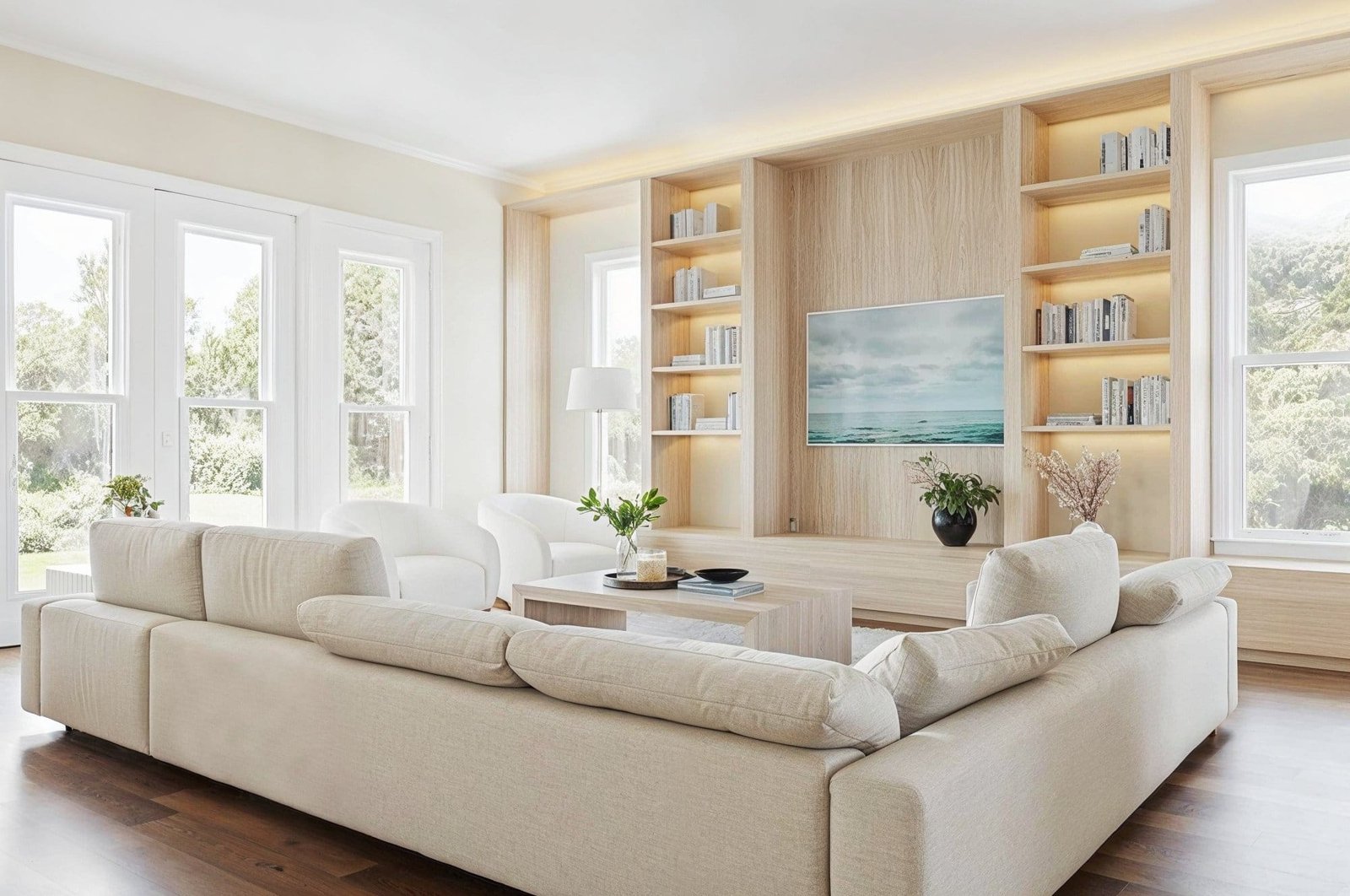
Wabi-Sabi interior design is emerging as one of the most influential movements in today’s evolving design landscape. When thoughtfully combined with modern minimalism, this philosophy celebrates imperfection, natural materials, and simplicity—creating spaces that feel calm, authentic, and deeply inviting.
Interior designers such as Sharné Labuschagné are redefining contemporary living by blending timeless Japanese aesthetics with modern design sensibilities. The result is interiors that feel serene, purposeful, and emotionally grounded, offering a balanced approach to modern living rooted in authenticity.
The Essence of Wabi-Sabi Interior Design
Wabi-sabi is a Japanese aesthetic philosophy rooted in the appreciation of impermanence, imperfection, and natural aging. Rather than hiding flaws, wabi-sabi highlights them—cracks, textures, weathered finishes, and organic irregularities become sources of beauty.
In interior design, wabi-sabi emphasizes:
-
Natural materials such as wood, clay, stone, and linen
-
Handcrafted or imperfect objects with character
-
A calm, uncluttered atmosphere that promotes mindfulness
By embracing authenticity over perfection, wabi-sabi interiors encourage a slower, more intentional way of living.
Source:
-
Nippon Design – Japanese Aesthetic Principles
https://www.nippon.com/en/features/c00104/
Wabi-Sabi and Contemporary Minimalism: Simplicity with Purpose
Modern minimalism focuses on clean lines, functional layouts, and clutter-free environments. It prioritizes quality over quantity and creates spaces that feel open and breathable.
When paired with wabi-sabi, minimalism becomes warmer and more human. Instead of feeling stark or sterile, the space gains texture, softness, and emotional depth.
Key characteristics of modern minimalist interiors include:
-
Neutral, calming color palettes
-
Functional furniture with simple silhouettes
-
Thoughtful spacing and intentional decor
Source:
-
Architectural Digest – Minimalist Interior Design Explained
https://www.architecturaldigest.com/story/minimalist-interior-design-101
Key Principles for Blending Wabi-Sabi and Minimalism
1. Wabi-Sabi Layering of Natural Textures
Combine tactile materials to add depth without visual clutter. Linen throws, raw wood furniture, ceramic vessels, and stone surfaces work together to create warmth and balance.
2. Wabi-Sabi Earth-Inspired Color Palettes
Soft browns, warm beiges, muted greens, clay tones, and creamy whites mirror nature and promote tranquility.
3. Wabi-Sabi Intentional Lighting Design
Use a combination of ambient, task, and accent lighting. Soft, diffused light enhances textures and creates a calm atmosphere without overwhelming the space.
4. Wabi-Sabi Organic Forms and Shapes
Choose furniture and decor with curved, asymmetrical, or hand-formed shapes. These elements soften minimalist interiors and reflect wabi-sabi’s natural philosophy.
5. Wabi-Sabi Mindful, Meaningful Decor
Select decor pieces with personal significance. Fewer objects, chosen intentionally, create a more authentic and emotionally resonant space.
Biophilic Design: A Natural Extension of Wabi-Sabi
Biophilic design aligns seamlessly with wabi-sabi principles by strengthening the connection between indoor spaces and nature. This approach is proven to enhance well-being, comfort, and mental clarity.
Ways to incorporate biophilic elements:
-
Indoor plants: Low-maintenance greenery like ferns, succulents, or peace lilies
-
Natural light: Sheer curtains, skylights, or open windows to maximize daylight
-
Natural materials: Wood, stone, clay, and woven fibers
-
Earthy textures: Jute rugs, stone tiles, exposed wood beams
Source:
-
Terrapin Bright Green – Biophilic Design Framework
https://www.terrapinbrightgreen.com/reports/14-patterns/
Creating Calm, Functional Living Spaces with Wabi-Sabi Design
Designing interiors that merge wabi-sabi aesthetics with modern minimalism results in spaces that are not only visually refined but emotionally grounding. These interiors support everyday living while fostering peace, authenticity, and comfort.
Thoughtful design encourages a deeper connection between people and their environment—transforming homes into restorative sanctuaries rather than purely functional spaces.
Why Work with a Wabi-Sabi Interior Designer?
An experienced interior designer understands how to balance restraint, texture, and warmth. Designers specializing in wabi-sabi and minimalist interiors can help translate philosophy into practical, livable spaces tailored to your lifestyle.
If you’re seeking a calm, timeless home rooted in natural beauty, a professional consultation can ensure cohesion, balance, and longevity in your design choices.
Conclusion: Wabi-Sabi as a Timeless Approach to Modern Living
Blending wabi-sabi interior design with contemporary minimalism offers a powerful alternative to trend-driven interiors. By prioritizing authenticity, natural materials, and mindful simplicity, you create spaces that feel grounded, personal, and enduring.
This design philosophy invites you to slow down, embrace imperfection, and experience your home as a place of balance and meaning—where every texture, object, and moment tells a quiet, beautiful story.
check this for more ideas : https://artandecor.com/25-holiday-gift-exchange-themes/
