


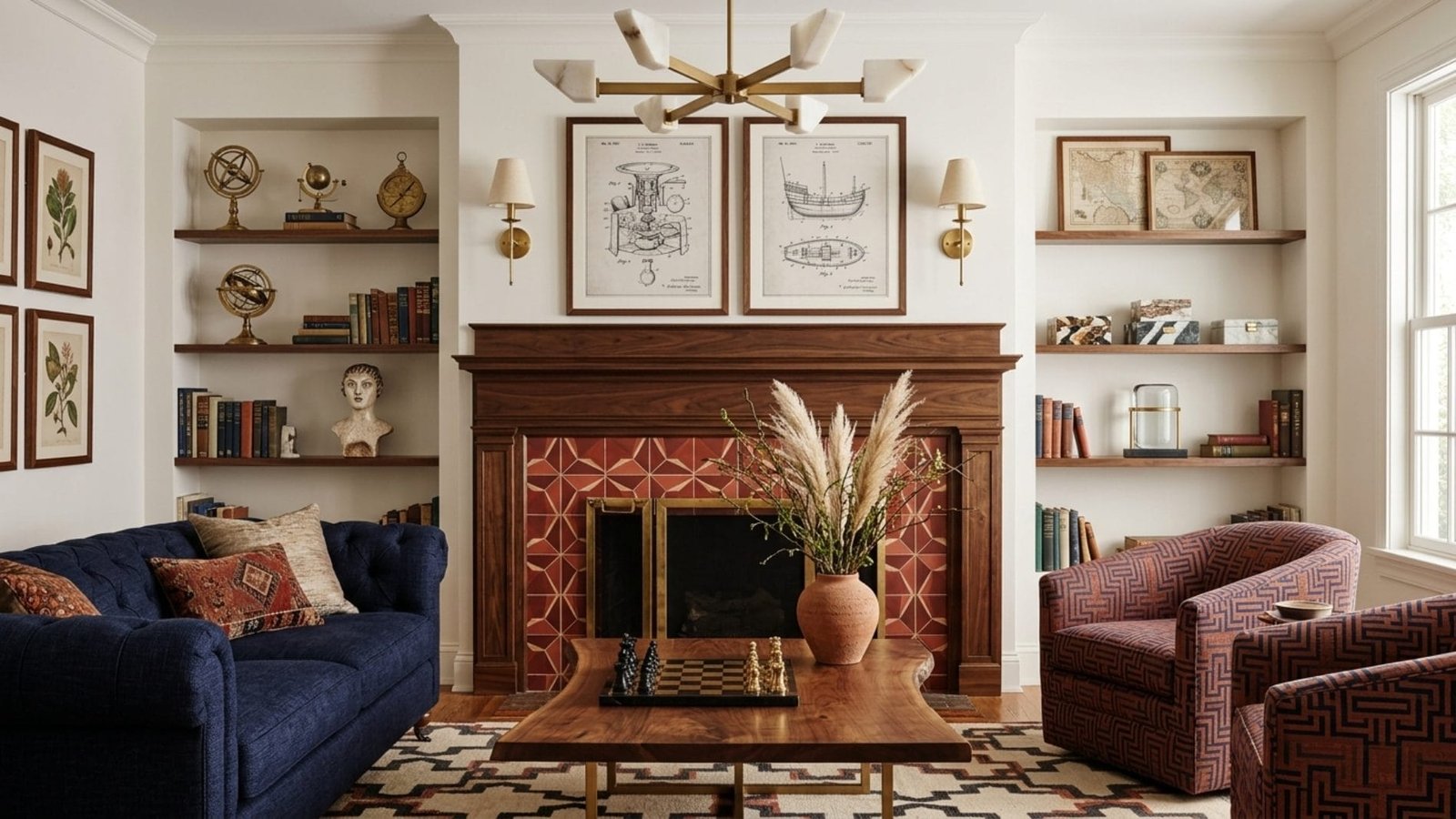
Successfully furnishing a living room requires a thoughtful approach that goes beyond merely placing furniture. Most rooms falter at the design phase, often due to common mistakes such as pushing a sofa flat against a wall. Professional designers prioritize architectural features, using them to shape an inviting space that feels cohesive. Here’s a comprehensive guide to creating a stylish and functional living room.
A Designer’s Guide to Furnishing Your Living Room
A well-decorated living room isn’t achieved by chance but through a series of deliberate steps. Each stage influences what follows, resolving decisions as you progress.
1. Understand the Room’s Purpose
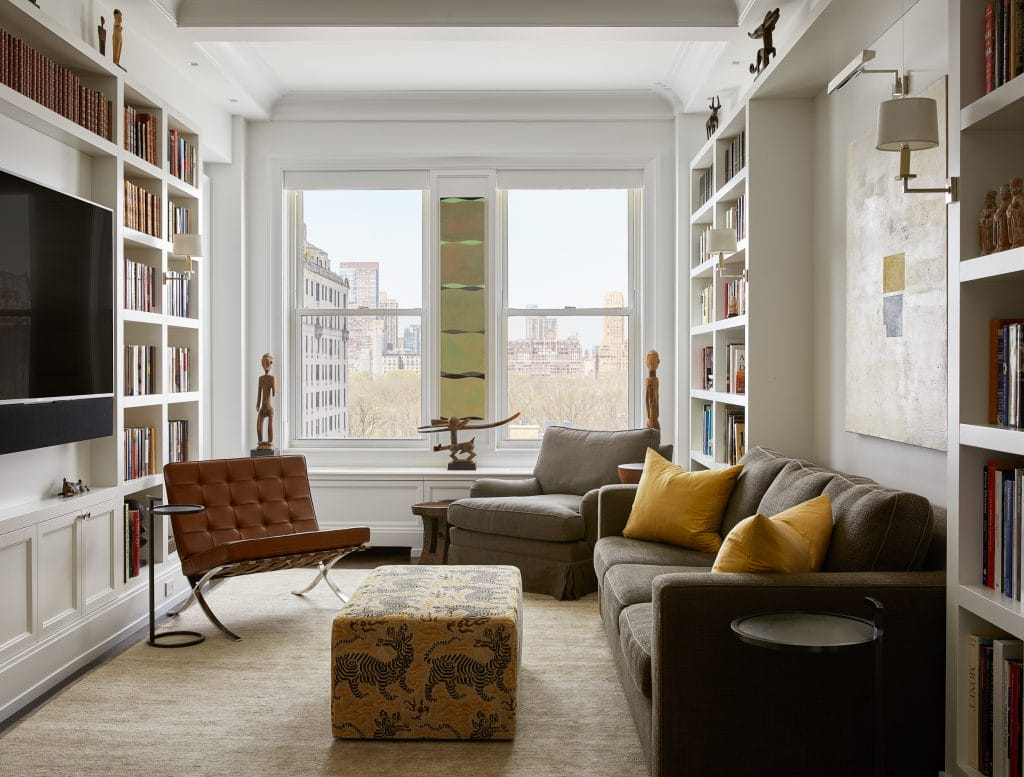
Consider how your living room will be used daily versus during events. The layout should cater to everyday scenarios rather than occasional gatherings. For instance, proximity between the sofa and side tables is crucial. Observe where foot traffic flows and where people naturally gather, focusing on these dynamics to optimize your design.
Designer Insight: Tailor your design around average usage. This will yield a versatile space that easily accommodates special occasions.
2. Identify the Room’s Unique Features
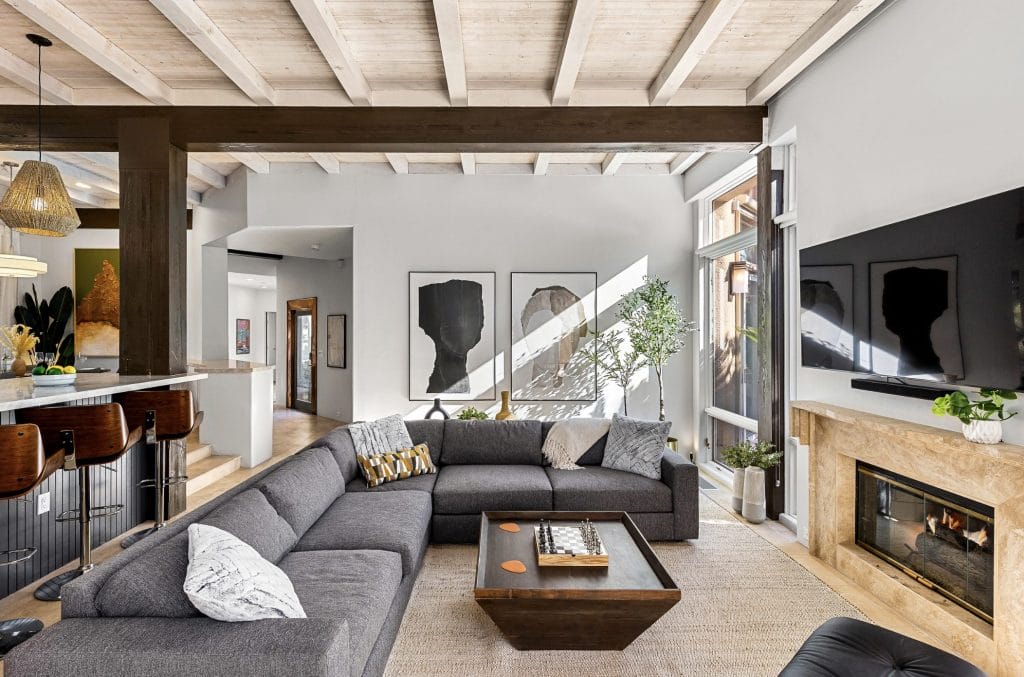
Every living room has inherent focal points, such as a fireplace or a striking window. Identify the strongest element and design around it, ensuring that visual competition is minimized. Consider using art or a large piece of furniture to create a single focal point that draws the eye effectively.
Designer Insight: Select a primary focal point to streamline visual focus and anchor the room’s design.
3. Build Color Palettes from Permanent Features
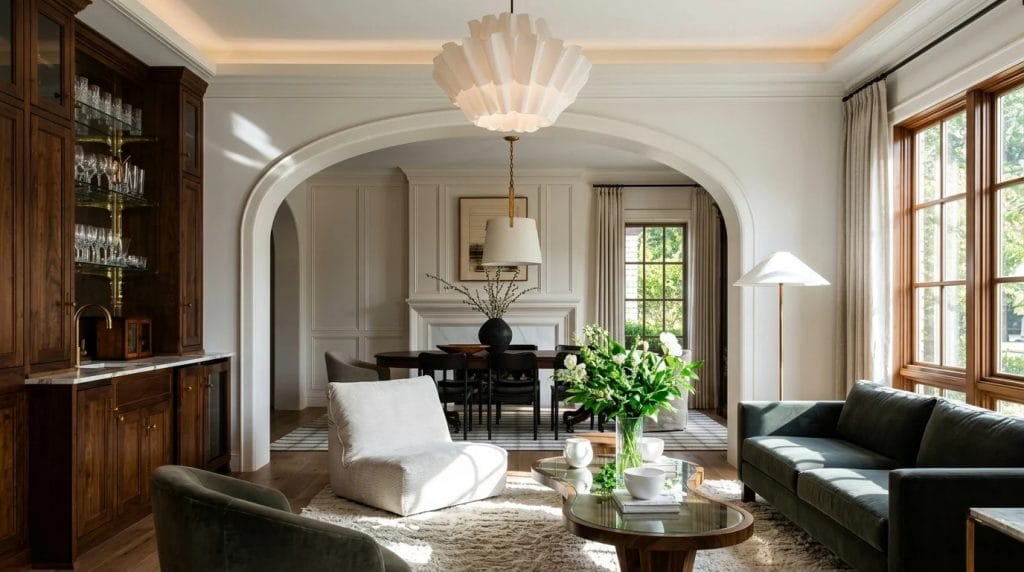
Your flooring establishes the room’s overall color temperature. Use it as a guide when selecting paint and furnishings. A warm wood floor may suggest a palette of earth tones, while a cool concrete floor may lean toward blues and greys. Select two to three main colors that resonate with these existing features.
Designer Insight: Evaluate fabric samples under different lighting conditions to ensure the colors complement each other throughout the day.
4. Plan Your Layout Before Purchasing
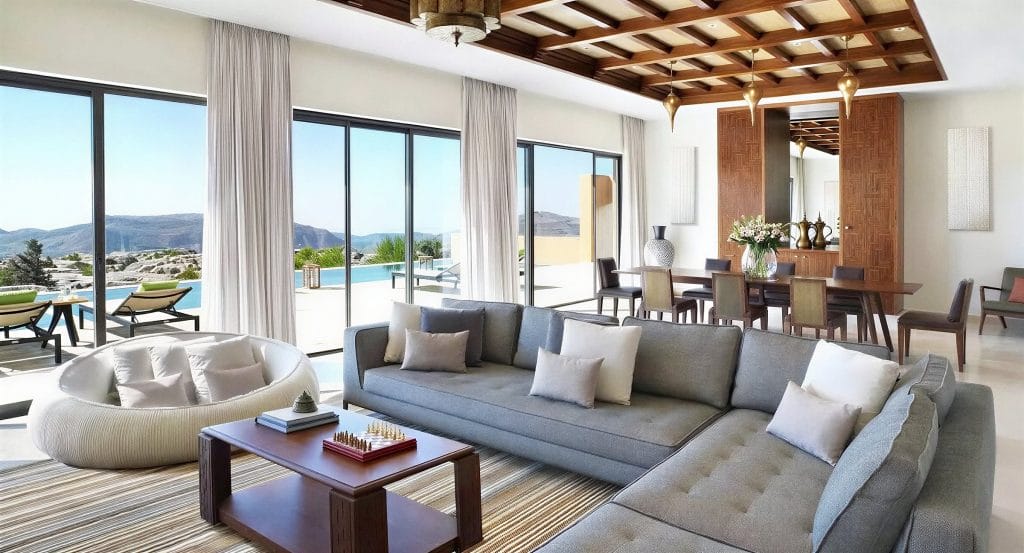
Before making any purchases, map out your room’s layout using painter’s tape to outline where major pieces will go. Leave enough space between furniture for easy movement, keeping standard clearance guidelines in mind. This will help you avoid overcrowding and ensure a functional design.
Designer Insight: If your taped layout feels cramped, consider resizing key pieces to create a more open environment.
5. Select Durable, Comfortable Furniture
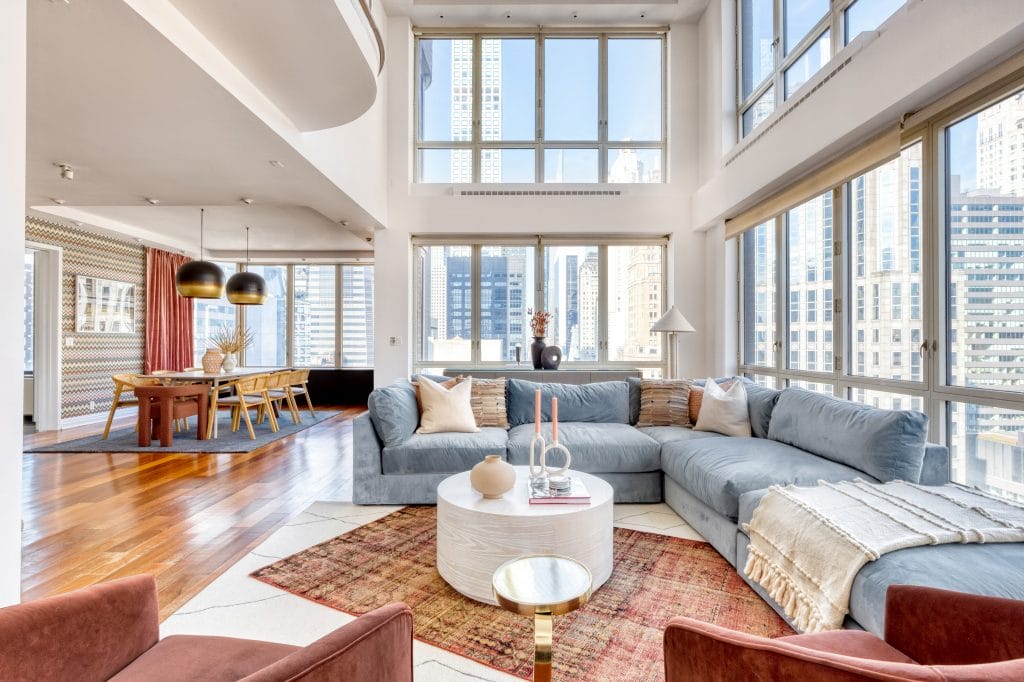
Choosing the right seating involves much more than appearance. Opt for furniture built for comfort and longevity. Test the depth and firmness of sofas, ensuring they support guests comfortably. Focus on well-made pieces that can withstand daily wear and tear.
Designer Insight: Invest in quality seating to ensure comfort over time; structures with hand-tied springs offer durability and comfort.
6. Balance with Scale
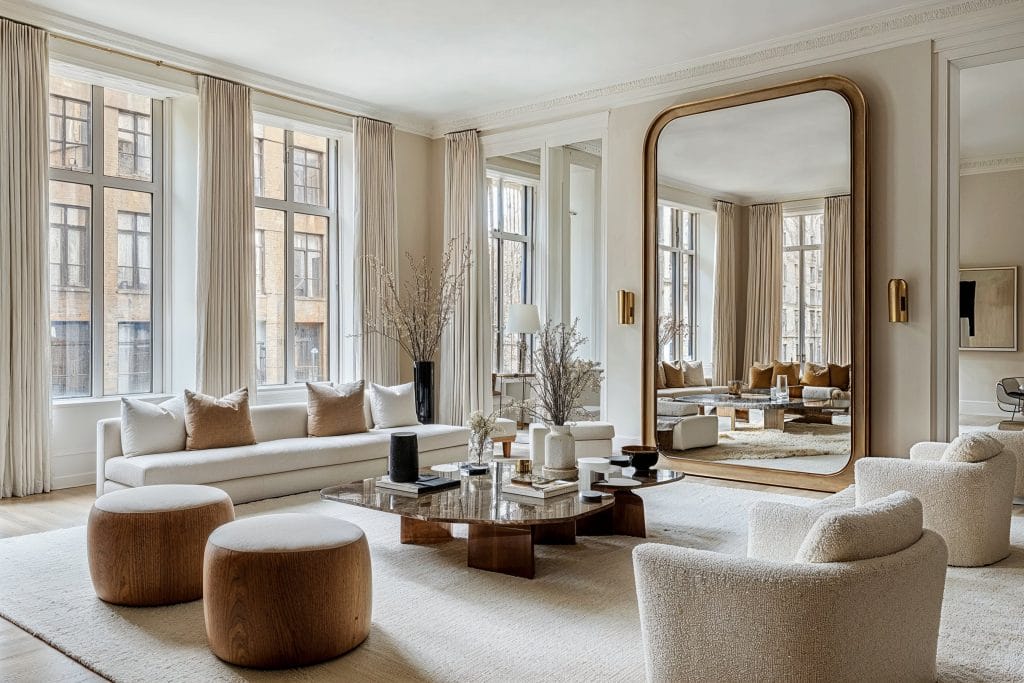
Effective design balances visual weight throughout the room. Avoid uniformity; instead, mix large and small pieces to create an inviting arrangement. For example, a substantial coffee table can anchor lighter chairs across the room.
Designer Insight: To assess the design’s balance, photograph the room in black-and-white to pinpoint proportional inconsistencies.
7. Introduce Textural Diversity
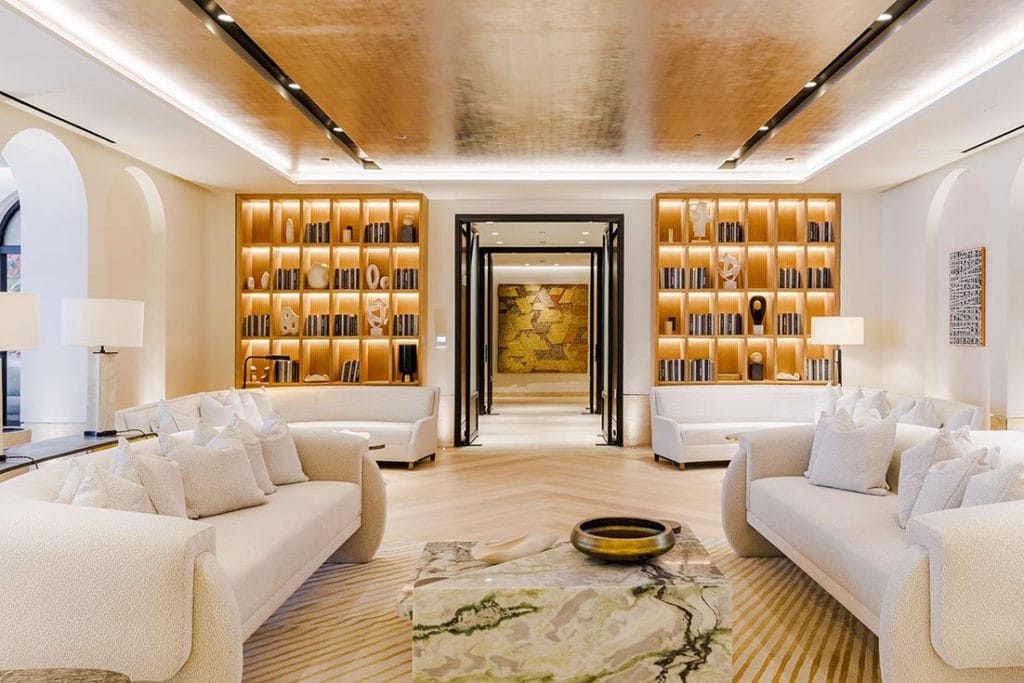
Create depth by layering materials and textures. For instance, pair varying fabrics against wooden surfaces to engage the eye and create a sense of warmth. Textured elements also serve an acoustic purpose, absorbing sound and fostering a calm atmosphere.
Designer Insight: Maintain a diverse mix of textures; if multiple surfaces feel similar, consider swapping one for greater contrast.
8. Plan for Layered Lighting
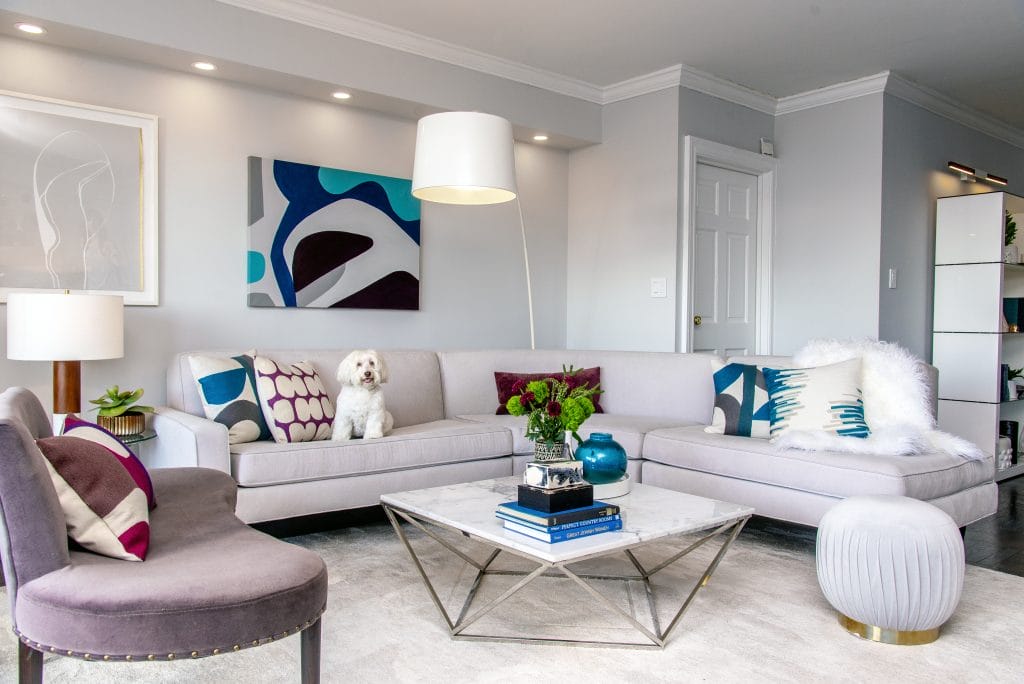
Integrate multiple light sources to enhance the room’s ambiance. Utilize overhead lights for base illumination, task lighting for reading, and accent lights to highlight art or decor. Each layer should have its switch to easily adjust the ambiance based on activities.
Designer Insight: Use smart plugs for table lamps to control lighting moods effortlessly.
9. Personalize Your Space
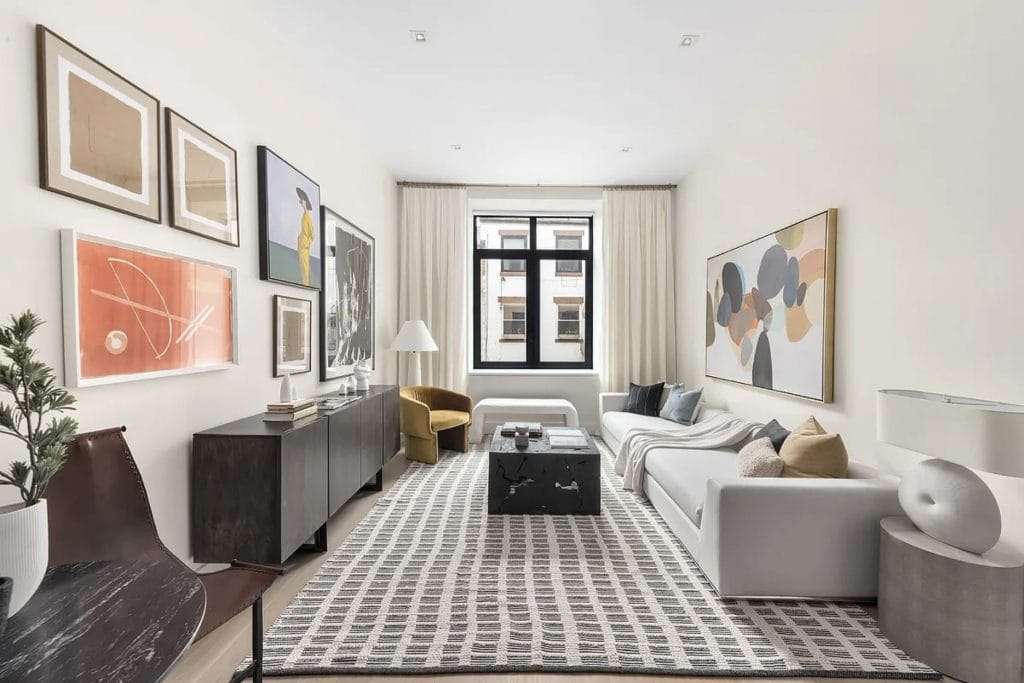
Add items that reflect your personality and history, such as unique trinkets from your travels or favorite books showcased in a curated way. A thoughtful arrangement fosters personal connections and adds charm to your environment.
Designer Insight: The “rule of three” promotes visual interest when grouping decor items by varying heights and materials.
Frequently Asked Questions about Living Room Furnishing
What is the best order to furnish a living room?
Start with the rug to define your seating area. The sofa should sit comfortably on the rug, with other furniture added outward from this foundation. Lamps and decorative accessories come last, ensuring that each piece complements the established layout.
How much should I budget for my living room?
Generally, allocate 10 to 15 percent of your home’s overall value for furnishing main living spaces. Prioritize budget on key items such as the sofa, rugs, and lighting, as these will offer the best long-term functionality.
How can I furnish a small living room without making it feel cramped?
Opt for furniture with exposed legs to visually lift the space. Sleek designs with tight palettes minimize visual clutter. Using mirrors enhances the perceived space by reflecting light and enlarging the overall feel of the room.
Need Further Help with Your Living Room Design?
Every aspect of your living room can benefit from professional guidance tailored to your specific needs. Teaming up with a designer ensures that all details are addressed— from layout to finishing touches. Book your Free Online Interior Design Consultation today to start your transformation journey!
