


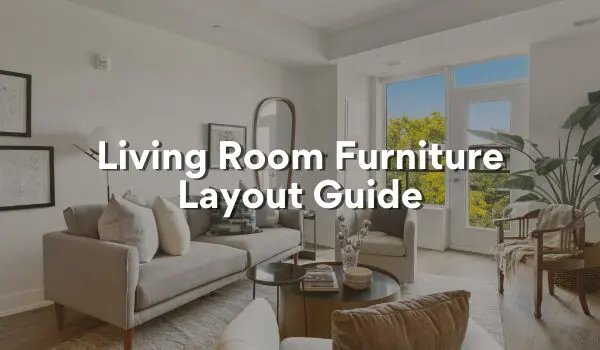
Designing Your Living Room: A Comprehensive Guide
Creating a well-designed living room can feel like piecing together a puzzle, especially if you’ve recently moved or are revamping your furnishings. Every component plays a significant role in achieving a cohesive and inviting look. This guide will explore effective furniture arrangements, practical ideas, and essential tips for selecting and placing living room furniture.
Choosing the Right Furniture: Essential Steps
Define the Room’s Purpose
Understanding how you intend to use your living room is crucial. If relaxation and TV viewing are your main goals, opt for a layout that emphasizes comfort and visual alignment with a focal point, such as a fireplace or TV. Conversely, if conversation and socializing are the priority, arrange your seating to facilitate discussion.
For many households, a mix of functionalities is required. Flexible seating arrangements can balance relaxation and entertainment needs. You might position your television in a cabinet or rotate furniture based on your activities, allowing your space to adapt over time.
Establish a Focal Point
Identify a focal point to anchor your living room design. This could be a television, fireplace, or an artistic piece. Place your largest seating options around this central feature. If multiple focal points exist, ensure they don’t overwhelm the visual flow. In smaller spaces, consider combining elements (such as a TV above a fireplace) to create clarity.
Seasonal changes can also dictate focal points; for instance, decorative pieces during holidays might require some rearrangement.
Balance Scale and Proportion
A successful living room design balances larger anchor pieces with smaller accents. Mix substantial sofas with lighter chairs or ottomans. You don’t need to purchase matching sets; contrasting furniture can add dimension. Avoid overcrowding by leaving breathing room and utilizing area rugs, coffee tables, and lighting effectively to create visual layers.
Leave Room for Movement
Functionality is just as important as aesthetics. Maintain at least 30-36 inches in main walkways. Ensure 16-18 inches between seating and coffee tables to support natural traffic flow. If your space is limited, opt for more compact furniture to prevent a cramped feel.
Five Effective Furniture Layouts
Now that you have a clear purpose and focal point, consider these five successful layouts tailored to various needs and styles.
1. The Classic Sofa + Two Chairs Layout
This layout features a sofa flanked by two accent chairs arranged around a coffee table, typically facing a TV or other focal point. It suits medium-sized spaces and promotes conversation.
Layout Scorecard:
- Best for: Medium-sized living rooms
- Pros: Balanced and visually appealing
- Watch out for: Ensure proper spacing; avoid isolating chairs.
2. The Sectional-Centered Layout
A sectional provides a cohesive seating solution, perfect for larger spaces. It can also designate living areas in open-concept layouts. Pair it with lighter accessories for balance.
Layout Scorecard:
- Best for: Larger or family-focused spaces
- Pros: Maximizes seating
- Watch out for: Overwhelming smaller rooms; flow limitations.
3. The Symmetrical Layout
This classic approach showcases matching furniture evenly arranged around a focal point. While rooted in tradition, contemporary pieces can add freshness to this structured layout.
Layout Scorecard:
- Best for: Formal living rooms without a TV
- Pros: Clean, structured
- Watch out for: Avoid a staged look; introduce personal touches through decor.
4. The Open-Concept Zoning Layout
Ideal for open plans, this layout employs furniture to define your living area. Create zones using sectionals or furniture clusters. Rugs can further assist in delineating space.
Layout Scorecard:
- Best for: Open-concept homes
- Pros: Creates distinct areas
- Watch out for: Disconnected floating furniture; avoid crowding.
5. The Minimalist Layout
Perfect for smaller spaces, this approach focuses on a few quality pieces to maintain a clean aesthetic. Utilize texture and multi-functional furniture for a calm atmosphere.
Layout Scorecard:
- Best for: Small or modern spaces
- Pros: Clean, uncluttered
- Watch out for: Avoiding sparse feelings; balance is key.
Five Shopping Strategies for Living Room Furniture
Selecting the right furniture involves strategic planning. Here are five essential strategies to consider:
1. Measure Before You Buy
Ensure your chosen pieces fit your space by measuring both your room and prospective furniture. Helpful Tips:
- Sofas should occupy about ⅔ the length of the wall.
- Use painter’s tape to map dimensions.
2. Think in Layers: Shape, Scale, and Texture
A well-designed space harmonizes various shapes, scales, and textures. Combine clean lines with soft curves, balancing larger and smaller items while incorporating diverse materials.
3. Use the 80/20 Rule for Design
Maintain consistent style for about 80% of the room, while the remaining 20% introduces contrast. This balance cultivates a cohesive yet dynamic environment.
4. Prioritize Functionality
Prioritize comfort and usability when selecting seating. Opt for durable materials to withstand wear, particularly in high-traffic areas.
5. Plan for Flexibility
Choose movable and modular furniture for adaptable arrangements. This flexibility allows for periodic redesign without significant investment.
Transform Your Living Room with Confidence
Designing a living room that mirrors your style and functions well is entirely achievable. Use the principles outlined in this guide to inform your furniture selection and arrangement decisions. Emphasize personal preferences while ensuring functionality and comfort.
For tailored design assistance and high-quality furniture options that suit your unique needs, consider consulting with furniture experts such as Room Concepts Furniture. Your dream living room is just a thoughtful design away!
