


Meta title: Best Off-White Cabinet Paint Colors for Kitchens (Top Picks + How to Choose)
Focus keyword: best off-white cabinet paint colors
Meta description: Discover the best off-white cabinet paint colors for kitchens, pros and cons, how to test undertones, and top Sherwin-Williams and Benjamin Moore picks with links to samples.
H1: Best Off-White Cabinet Paint Colors — Top Picks, Tips, and How to Choose
Intro
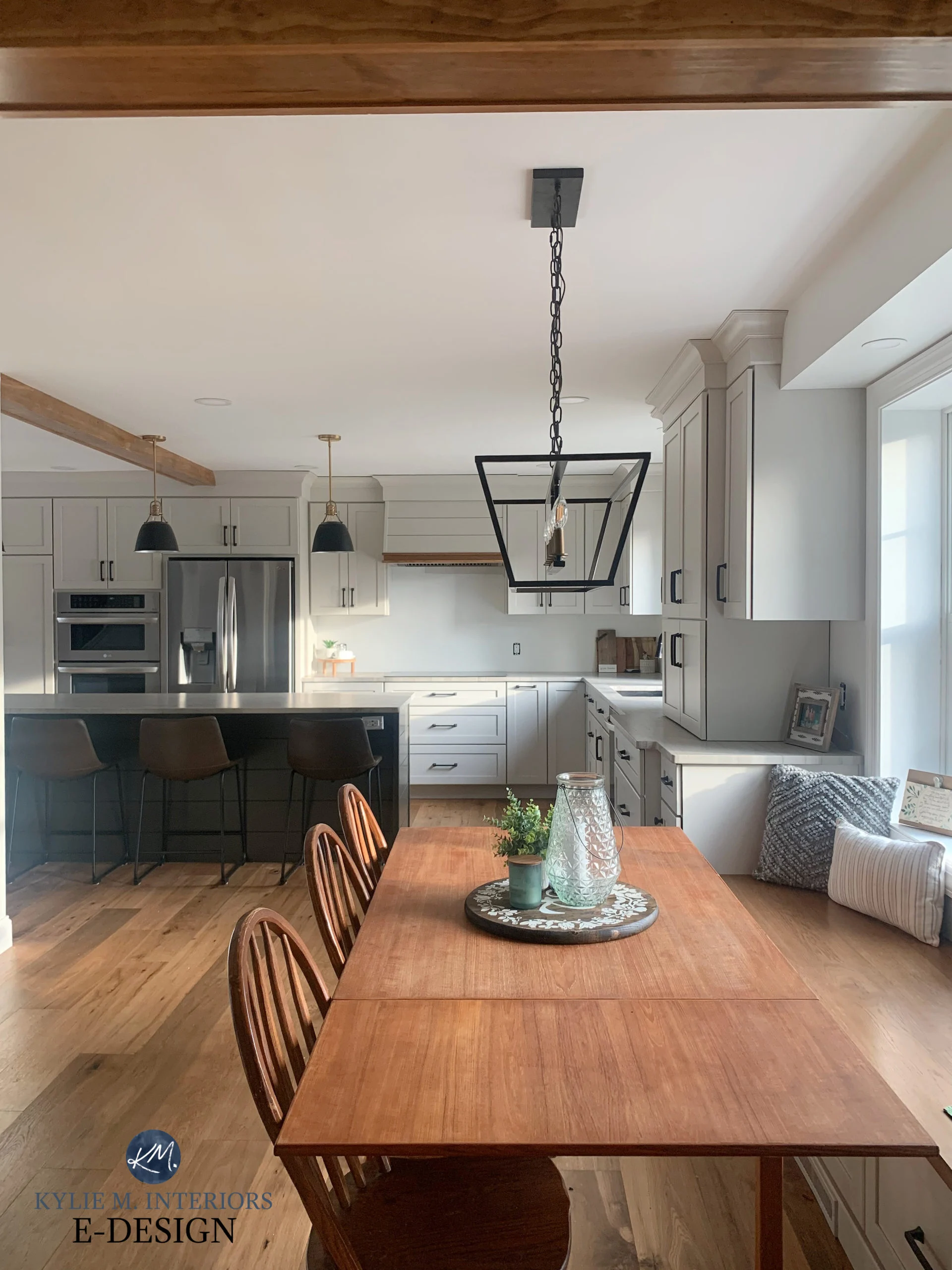
If white cabinets feel too stark but fully colored cabinets feel too bold, off-white and light-depth tones provide a soft, versatile middle ground. This guide highlights the best off-white cabinet paint colors, explains the key trade-offs (including why off-whites can be tricky), and shows how to compare and test colors so the final choice complements your counters, backsplash, and light levels. Use the focus keyword—best off-white cabinet paint colors—as you research and test options.
H2: Why off-white cabinets can be tricky
– Limits wall and trim pairings: Off-white cabinet tones often dictate what wall colors and trim shades will coordinate without clashing.
– Trend vs. timeless: Many off-whites are currently trendy. Some will feel dated faster than pure white, especially if undertones shift with trends.
– Undertone surprises: Subtle yellow, beige, gray, or green undertones reveal themselves under different light and next to different finishes. Always test in your space.
– Finish affects perceived depth: Cabinet paint sheen (satin is commonly recommended) and application can make a color appear lighter or warmer than the swatch.
H2: How to choose the right off-white cabinet paint color
H3: 1) Consider light level and window exposure
Natural light can cool or warm a paint color. Colors that read warm in low light may look balanced in bright kitchens.
H3: 2) Evaluate adjacent materials
Place samples next to countertops, backsplashes, flooring and hardware. Some off-whites harmonize with warm granite or oak better than stark white.
H3: 3) Test real samples on cabinets (not just chips)
Large peel-and-stick or painted cabinet doors reveal undertones and LRV differences. Manufacturers provide sample services—see Sherwin‑Williams and Benjamin Moore sample information for options (Sherwin‑Williams samples, Benjamin Moore samples).
H3: 4) Compare similar tones side-by-side
Always compare two or three contenders. Even small LRV or undertone shifts change the overall effect.
H3: 5) Choose appropriate sheen
Satin or semi-gloss are commonly used for cabinets. Sheen impacts durability and perceived color depth.
H2: Top off-white and light-depth cabinet paint colors (with notes and links)
Below are popular off-white and light-depth options with their character, best uses, and where to compare samples.
H3: Sherwin‑Williams Agreeable Gray (SW 7029)
– Character: A light greige (gray + beige) with mild undertones; very versatile and balanced between warm and cool.
– Best for: Kitchens with white or off-white quartz, transitional or modern styles.
– Notes: Works well on islands or full cabinetry; pairs nicely with darker island colors like Iron Ore.
– See details: Sherwin‑Williams Agreeable Gray
H3: Sherwin‑Williams Accessible Beige (SW 7036)
– Character: Warmer than Agreeable Gray; a true beige leaning toward warm greige. LRV around 58 (light range).
– Best for: Warmer kitchens or spaces that need subtle warmth; complements popular warm counter trends.
– Notes: In lower light it reads more muted; in bright spaces it opens up.
– See details: Sherwin‑Williams Accessible Beige
H3: Sherwin‑Williams White Duck (SW 7010)
– Character: A modern cream/off‑white with a gentle yellow undertone, grounded by a neutral base.
– Best for: Kitchens with warm granite or finishes that need a soft, creamy cabinet tone.
– Notes: Less likely to read as the yellowed cabinets of the early 2000s thanks to its neutral foundation. Compare with Shoji White and Aesthetic White.
– See details: Sherwin‑Williams White Duck
H3: Benjamin Moore Classic Gray (OC‑23)
– Character: A warm gray/off‑white that can read slightly warmer on cabinetry than on walls.
– Best for: Subtle warm-gray looks that still feel soft and refined.
– See details: Benjamin Moore Classic Gray
H3: Benjamin Moore Revere Pewter (HC‑172)
– Character: A light warm gray/greige with a subtle green undertone.
– Best for: Neutral kitchens that want warm depth with a hint of color. Works well alongside white quartz and many countertop choices.
– Notes: Cabinet paint often reads lighter; consider selecting a slightly deeper value for cabinetry if more presence is desired.
– See details: Benjamin Moore Revere Pewter
H3: Sherwin‑Williams Aesthetic White (SW 7035)
– Character: An off‑white beige with a whisper of gray—muted, softly warm rather than strongly tan.
– Best for: When white cabinets are too stark and a neutral that bridges cream and gray is needed. Ideal with older granite or tan tile.
– See details: Sherwin‑Williams Aesthetic White
H3: Sherwin‑Williams Moderate White (SW 6140)
– Character: A beige with a subtle orange undertone but still restrained—“moderate” warmth.
– Best for: Spaces that need warmth without strong peachiness; suits many traditional finishes.
– Notes: Not as trend-forward as warm grays/greiges, but widely compatible with interior finishes.
– See details: Sherwin‑Williams Moderate White
H3: Sherwin‑Williams Egret White (SW 7570)
– Character: Warm gray/taupe that can lean warmer on cabinets; a touch darker than some other off-whites.
– Best for: Projects seeking a cozy warm-gray appearance without full beige saturation.
– See details: Sherwin‑Williams Egret White
H3: Sherwin‑Williams Shoji White (SW 7042)
– Character: Similar to White Duck but slightly more muted with a taupe wink; has become increasingly popular for walls and cabinets.
– Best for: Soft, modern traditional kitchens that want a warmer, less-yellow off-white.
– See details: Sherwin‑Williams Shoji White
H3: Benjamin Moore Creamy White
– Character: A richer, warmer creamy off‑white with more chroma than the other options listed.
– Best for: Very intentional designs that match other warm finishes or follow a coordinated approach (for example, certain Studio McGee kitchens).
– Notes: Creamy White is more saturated and can clash if not carefully paired with matching warm finishes.
H2: How to compare similar colors (practical checklist)
– Place two large patches side‑by‑side on cabinet doors or boards near your counters and backsplash.
– Evaluate at three times of day (morning, midday, evening) and with artificial lighting used in the kitchen.
– Look for undertone shifts (yellow, pink, green, blue) when viewed next to wood floors, hardware, and stone surfaces.
– Consider selecting one tone slightly deeper for cabinetry than wall paint to give “meat on the bones” and avoid washed‑out appearance.
H2: Cabinet finish & sheen recommendation
– Sheen choice affects appearance and maintenance. Satin or semi‑gloss are most common for cabinets due to durability and cleanability.
– Test your chosen sheen on a sample area; a glossy surface will read slightly lighter and more reflective.
H2: Frequently asked questions
H3: Should cabinets be white or off-white?
White is more timeless and more flexible for wall and countertop pairings. Off‑white can add warmth and softness but often limits wall color choices and can be trend-sensitive. Choice depends on how much coordination with existing finishes is possible.
H3: How many samples should be tested?
At least three: your top two contenders plus a third “control” neutral (true white or a commonly used greige) to reveal undertone differences.
H3: Can off-white hide yellowed granite or older finishes?
Yes—selecting an off-white with complementary undertones can harmonize with warm granite and prevent obvious clashing that stark white sometimes creates.
H2: Final tips before painting
– Order peel‑and‑stick or painted samples and apply them to full-size cabinet doors or large boards.
– Compare how colors perform next to your countertops, backsplash, and flooring at different times of day.
– If uncertain, consult manufacturer pages for LRV and technical details (Sherwin‑Williams color resources, Benjamin Moore color database).
External resources (for samples and technical color details)
– Sherwin‑Williams color finder and sample information: https://www.sherwin-williams.com
– Benjamin Moore color library and samples: https://www.benjaminmoore.com
Conclusion
Choosing from the best off-white cabinet paint colors means balancing undertones, light levels, and surrounding materials. Popular choices such as Sherwin‑Williams Agreeable Gray, Accessible Beige, White Duck, and Benjamin Moore Revere Pewter offer a range from cool greiges to warm creams. Always test large, real samples in the exact kitchen to confirm how a shade reads before committing to a full cabinet paint job.
Keywords to use while researching and testing: best off-white cabinet paint colors, off-white cabinet colors, greige cabinet paint, warm white cabinet paint, cabinet paint samples.
