


Focus keyword: 2026 paint color trends
Suggested title tag (SEO): 2026 Paint Color Trends for Calm Homes | Warm Neutrals, Greige, Greens & Desert Hues
Meta description: Discover the top 2026 paint color trends that promote calm at home — warm neutrals, greige, nature-inspired greens and blues, and desert tones — plus practical tips and finish recommendations.
Slug: 2026-paint-color-trends-calm-home
H1: 2026 Paint Color Trends That Create Calm at Home
Intro
Color shapes how we feel in a space. As 2026 approaches, designers and homeowners are leaning into palettes that encourage rest, comfort, and a sense of rootedness. The leading paint trends this year center on warm neutrals, greige, nature-leaning greens and blues, and desert-inspired earth tones — all chosen to foster calm and balance inside the home.
H2: Why calm colors matter (color psychology + practical benefits)
– Color influences mood and perceived space: research on color psychology shows hues affect feelings of calm, energy, and focus (see an overview of color psychology: https://www.verywellmind.com/color-psychology-2795824).
– Calm palettes make rooms feel welcoming, support relaxation routines (sleep, reading, family time), and provide a forgiving backdrop for furniture and art.
– Choosing the right color can also help smaller or windowless rooms feel brighter or cozier depending on tone and finish.
H2: Warm neutrals — the dominant base for 2026 paint color trends
H3: What they are
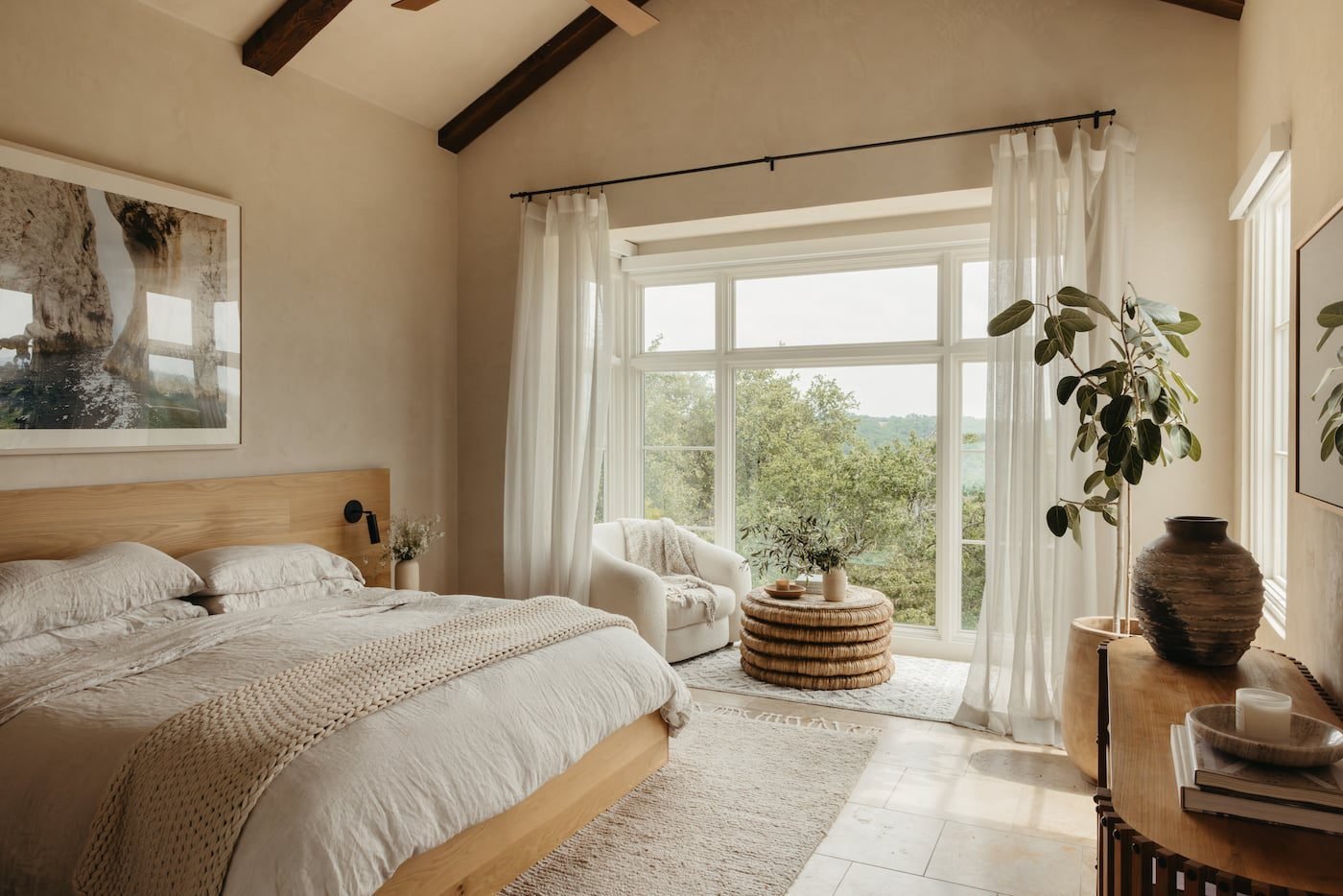
Warm neutrals include mushroom taupes, soft stones, warm beige, and sand-inspired shades. These tones replace the cooler “millennial grey” era with hues that feel comforting and lived-in.
H3: Why they work
Warm neutrals act as a subtle stage for architecture, textiles, and objects to shine while maintaining a cozy, non-stark backdrop. They harmonize with natural materials — wood, stone, plaster — and adapt to seasonal décor.
H3: Design tips
– Use a warm neutral on walls and layer with textured rugs and woven throws for tactile calm.
– Try a satin or higher-gloss finish in sunlit rooms to reflect light and add warmth (learn about paint sheens and where to use them: https://www.sherwin-williams.com/).
– Sample names to explore: Broccoli Brown (Farrow & Ball) and Creamy (Sherwin-Williams) are industry examples of the warmer, hugging neutral family (brands: https://www.farrow-ball.com/, https://www.sherwin-williams.com/).
H2: Greige — the refined neutral that balances grey and warmth
H3: What greige brings
Greige (a blend of grey and beige) keeps grey’s sophistication while removing cool, clinical undertones. It reads as soft, clean, and welcoming in a variety of styles.
H3: How to use it
– Greige works well across entire rooms, even ceilings, to create a unified, serene backdrop.
– Pair greige with accents in icy blue or patinated metals for contrast without losing warmth.
H3: Room ideas
– Living room: greige walls to anchor a mix of bold textiles and sculptural furniture.
– Bedroom: greige with layered linens for a restful retreat.
H2: Nature-leaning greens and blues — restore with color
H3: Why nature tones matter
Greens and soft blues evoke forests, water, and sky — environments that naturally reduce stress. Bringing these tones inside creates an immediate connection to the outdoors.
H3: Shade suggestions and placement
– Deep, grounding greens (e.g., Dakota Woods Green by Benjamin Moore) work well for reading nooks, kitchen cabinetry, and accent walls (brand: https://www.benjaminmoore.com/).
– Light aqua and pale powder shades can make dim bedrooms feel like they bathe in soft daylight — try Farrow & Ball’s Pale Powder for spaces with limited natural light (brand: https://www.farrow-ball.com/).
H2: Desert-inspired colors — sunbaked warmth and grounding earth tones
H3: What defines the look
Clay, terracotta, putty, and warm charcoals channel sunbaked landscapes. These hues bring warmth without shouting for attention, offering an understated richness.
H3: Where to use them
– Use terracotta tones in kitchens, entryways, or as accent walls to add warmth and personality.
– Consider warm plaster-like neutrals (e.g., Farrow & Ball’s Setting Plaster family) for spa-like bathrooms and calming communal spaces.
H2: Paint finish & texture — how sheen affects calm
– Sheen influences light bounce and perceived warmth. Higher sheen reflects more light and can add brightness to darker rooms, while matte finishes absorb light for a softer, cocooning effect.
– Use gloss strategically (trim, cabinetry) to add subtle luster; choose eggshell or satin for walls where warmth and texture should read softly (see paint finish guide: https://www.sherwin-williams.com/).
H2: Practical tips for choosing and testing 2026 paint color trends
– Test large swatches: paint 3×3 ft samples on different walls and observe at morning, midday, and evening light.
– Consider undertones: compare samples next to your flooring, textiles, and natural light to avoid unexpected green, pink, or yellow shifts.
– Use small furnishings to preview contrast: a throw pillow or artwork in your intended accent color helps visualize the final palette.
– Try mixed intensities: slightly reducing a rich color to 75% can soften it into a more universally flattering tone.
H2: Where to find professional-grade colors and tools
– Manufacturer catalogs and digital tools help visualize palettes: Benjamin Moore (https://www.benjaminmoore.com/), Farrow & Ball (https://www.farrow-ball.com/), and Sherwin-Williams (https://www.sherwin-williams.com/) offer samples, color-matching, and virtual room previews.
– For expert advice, consult an interior color specialist or designer who can tailor trim, wall, and ceiling combinations for your light and layout.
Conclusion
The top 2026 paint color trends favor calm: warm neutrals, greige, nature-inspired greens and blues, and desert hues all support comfort, connection to nature, and timeless style. Start by testing swatches in your actual rooms, consider finishes that enhance light and warmth, and choose colors that support how you want to feel at home — relaxed, restored, and rooted.
Quick checklist before you paint
– Pick a focus color family (warm neutral, greige, green/blue, or desert tone).
– Order multiple test samples and paint large swatches.
– Observe samples in different lighting throughout a day.
– Decide on sheens for walls vs. trim.
– Finalize with small touch-ups and coordinated textiles.
External resources
– Color psychology overview: https://www.verywellmind.com/color-psychology-2795824
– Benjamin Moore colors and tools: https://www.benjaminmoore.com/
– Farrow & Ball palettes: https://www.farrow-ball.com/
– Sherwin-Williams paint finishes and guides: https://www.sherwin-williams.com/
